"Alpha Omega." The title had been in my head for a long time. It comes from the Book of Revelation, "the beginning and the end," and no phrase has ever felt more right to me for describing painting's place within art. Painting is the alpha and omega of art (as any true lover of art would surely agree — I am a painting supremacist). A rather grandiose title, and I confess I was pleased with myself for it, daydreaming that one day I would hold a painting exhibition under that name.
I began to think about the exhibition in concrete terms two summers ago, when I saw Fukunaga's work at Satoshi Ohno's studio in Fujiyoshida. Something clicked the moment I saw the painting — one that appears in this exhibition as well. By then I had already collected several of Ishii's works, and though the two men's styles are quite different, I sensed a peculiar sanctity common to both, and simply wanted to see their paintings in the same space. The time was ripe. "Alpha Omega."
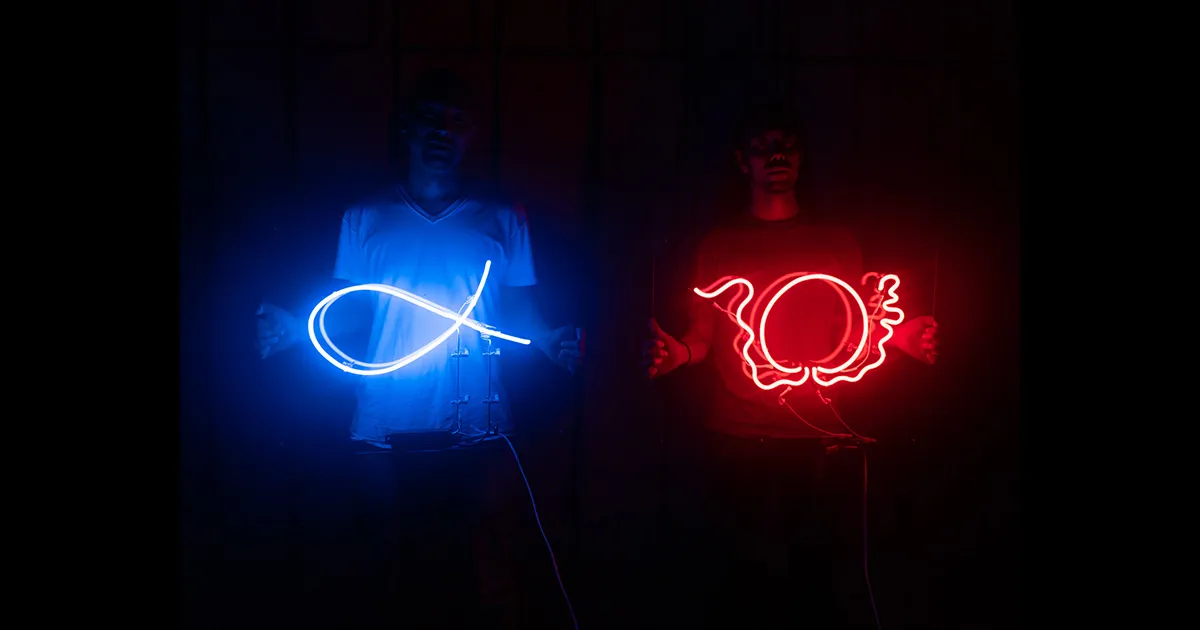
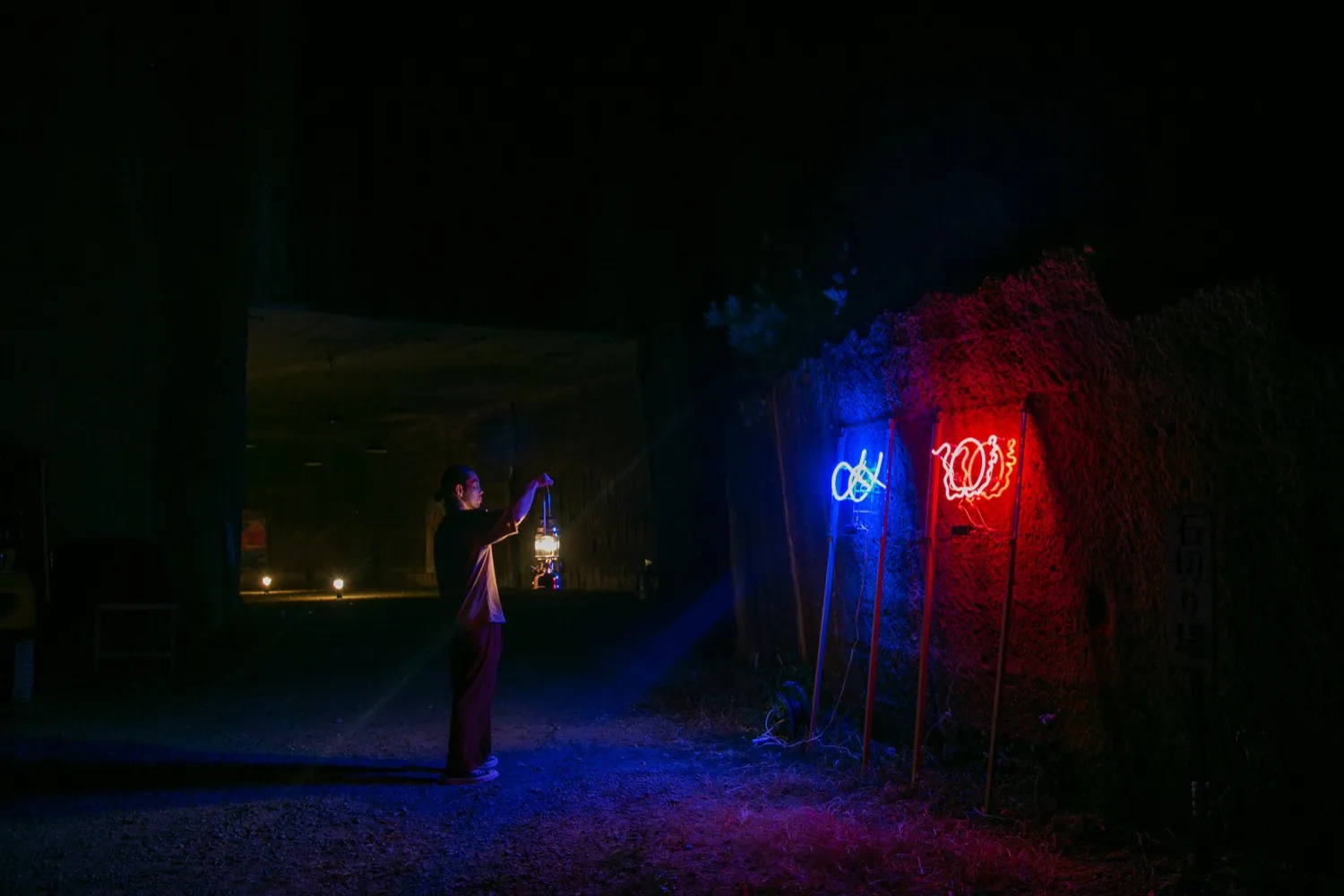
At first I intended to do it in the familiar Tokyo manner — a white cube, the "conventional art style." With the help of Hikari Studio in Kyoto, the neon sign the two artists designed was completed, and just as I was about to begin preparations with an opening around May in mind, the novel coronavirus turned into a pandemic before our eyes. After the Lehman shock, the black swan had spread its wings once again, and the world was transformed.
Closed borders, the death of Ken Shimura, infection counts climbing day by day, shocking footage arriving from Europe and America, the postponed Olympics, the state of emergency, stay home... Stunned at how catastrophic things had become, I shut myself in at home and spent day after day on the PlayStation.
In early May, under the state of emergency, my wife and I headed for a change of scenery to a villa in Nagano that an acquaintance had happened to pass on to us in March — carrying a slight sense of guilt about leaving Tokyo for the countryside. The Dangozaka Service Area, usually packed with people, was nearly deserted, most of its shops shuttered. The expressway was empty; not even freight trucks were running. Confronted with a scene straight out of a racing game's tutorial mode, I grasped anew how serious the situation was. It was obvious that a severe economic downturn was coming.
Minamiaiki Village in Nagano, where the villa stands, sits at high altitude: open vistas, abundant nature, few people, and remarkably delicious air. In Tokyo, even a trip to the neighborhood supermarket had carried an unpleasant edge — the invisible dread of the virus — but here there was none of that. Savoring a long-lost sense of release among the trees, enjoying barbecue and a tent sauna, my refrain in those days was "the pandemic has finished the city." It was around then that I began, vaguely, to think about the "outdoors."
Meanwhile, new infections subsided and the state of emergency was lifted. That the numbers could be brought down this far without any legal enforcement — the Japanese capacity for self-restraint half impressed me and half frightened me. I assumed we would press on, like Taiwan or Hong Kong, until new cases stayed at zero for weeks on end; instead, it seemed, Japan chose "coexistence" along with the "new lifestyle." Could one really coexist with this virus? The numbers, I thought, would surely rise again before long.
Under such circumstances — hard as it was to say to the two artists — my honest feeling was, "This is no time to be talking about art." The white cube exhibition I had envisioned was the very epitome of crowding: no one would come, and frankly I didn't want them to; if a cluster broke out it would be no laughing matter; and above all it seemed to me fundamentally contrary to public health ethics. After a while, though, I began to think the other way around: what would an exhibition look like that obeyed those ethics to the letter? Would a "new art style" be possible — one that avoided the "Three Cs" entirely and carried virtually zero risk of infection?
The answer I arrived at was "outdoors" and "online." The outdoors might work, but an online exhibition would surely be a far poorer experience than seeing the work in person — and I still think even VR would not change that much. And yet the almost snide excess of its fixation on ethics and infection control struck me as new and interesting, and I felt I had at last glimpsed a reason to hold an art exhibition under these conditions. Since it would be a problem if word spread and visitors actually turned up, we did no publicity whatsoever; the announcement cards went out just before the dates; the viewing website was password-protected and invitation-only; and the whole thing was limited to two nights. In this excess of caution I was beginning to find a savor peculiar to our times.
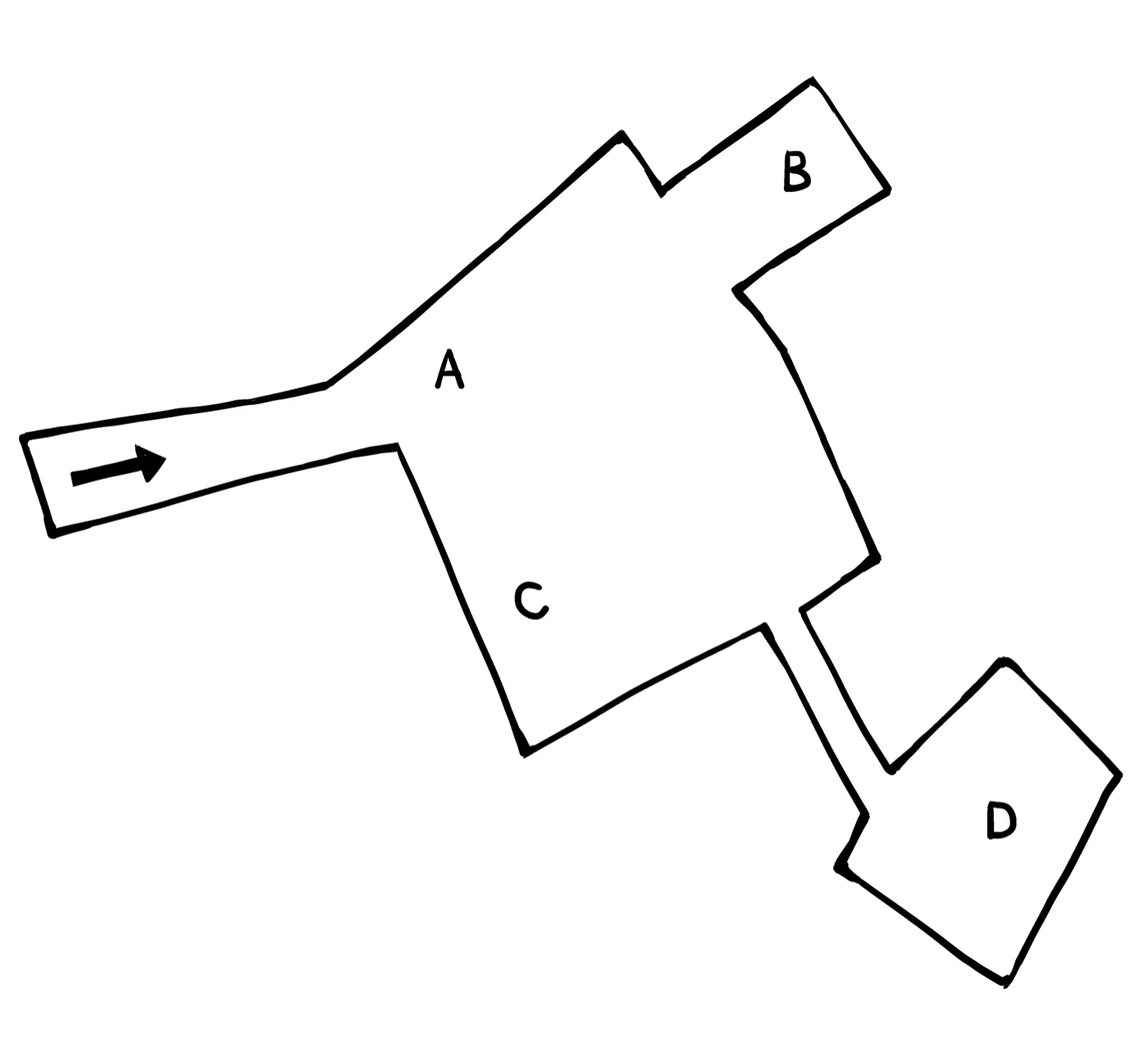
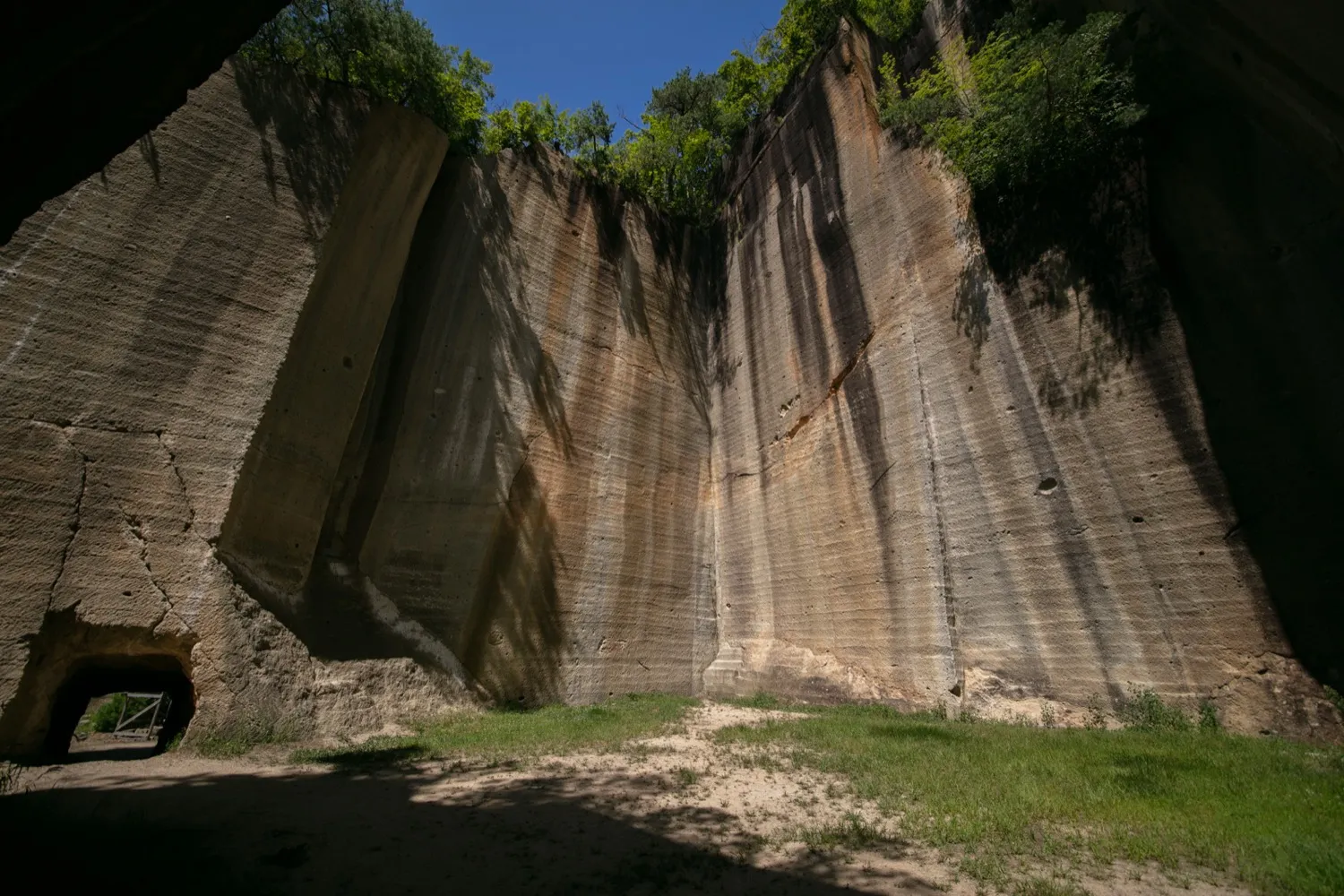
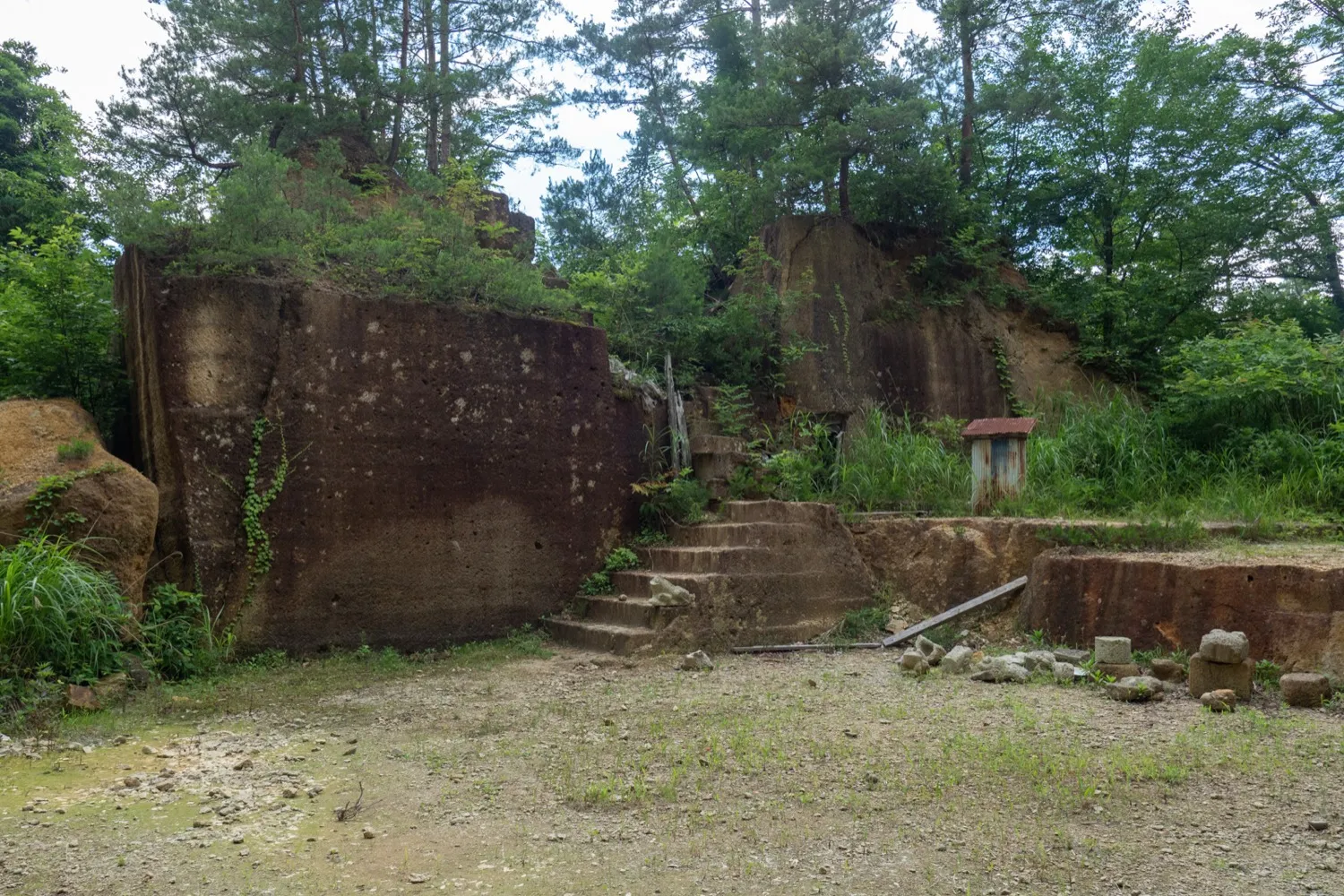
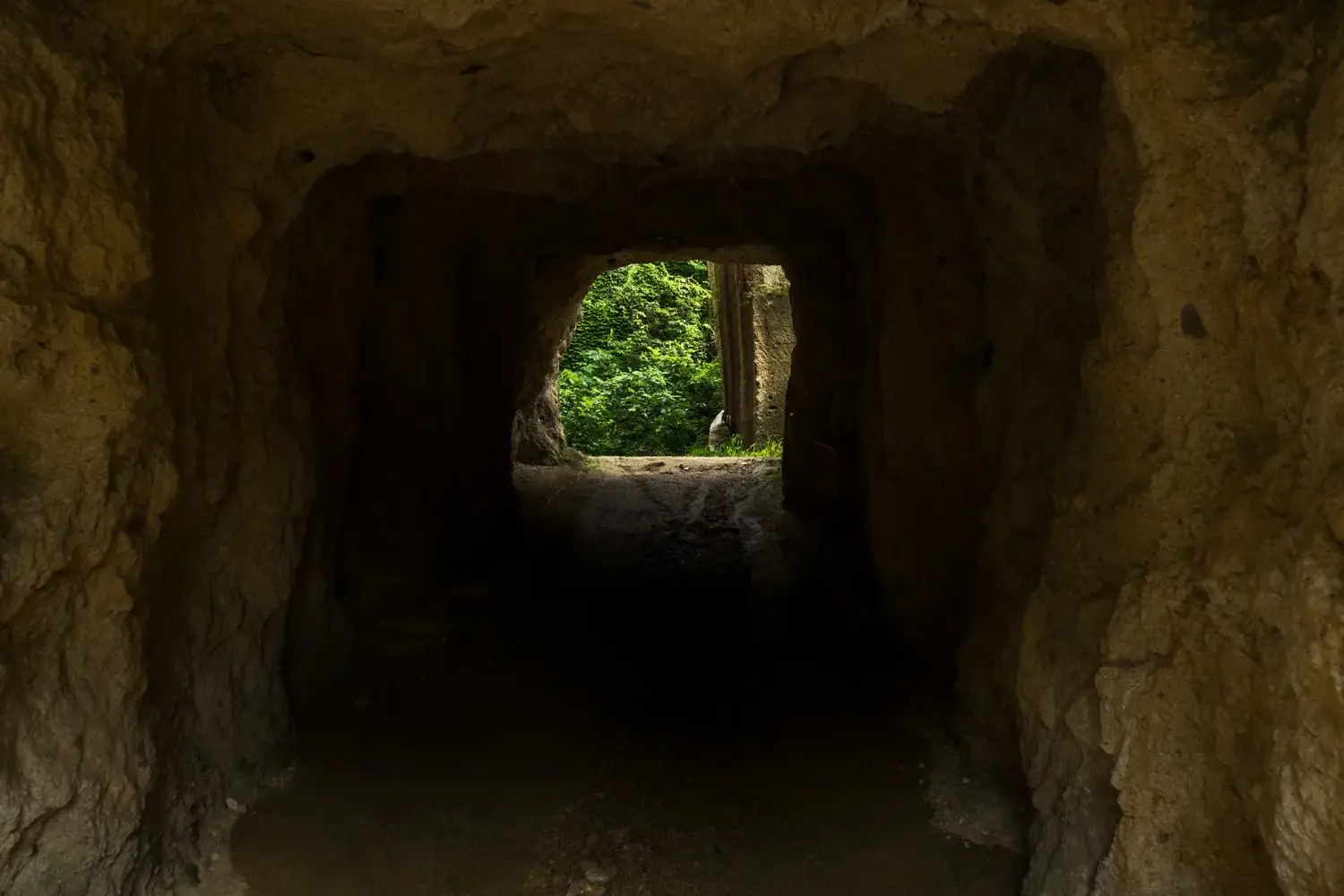
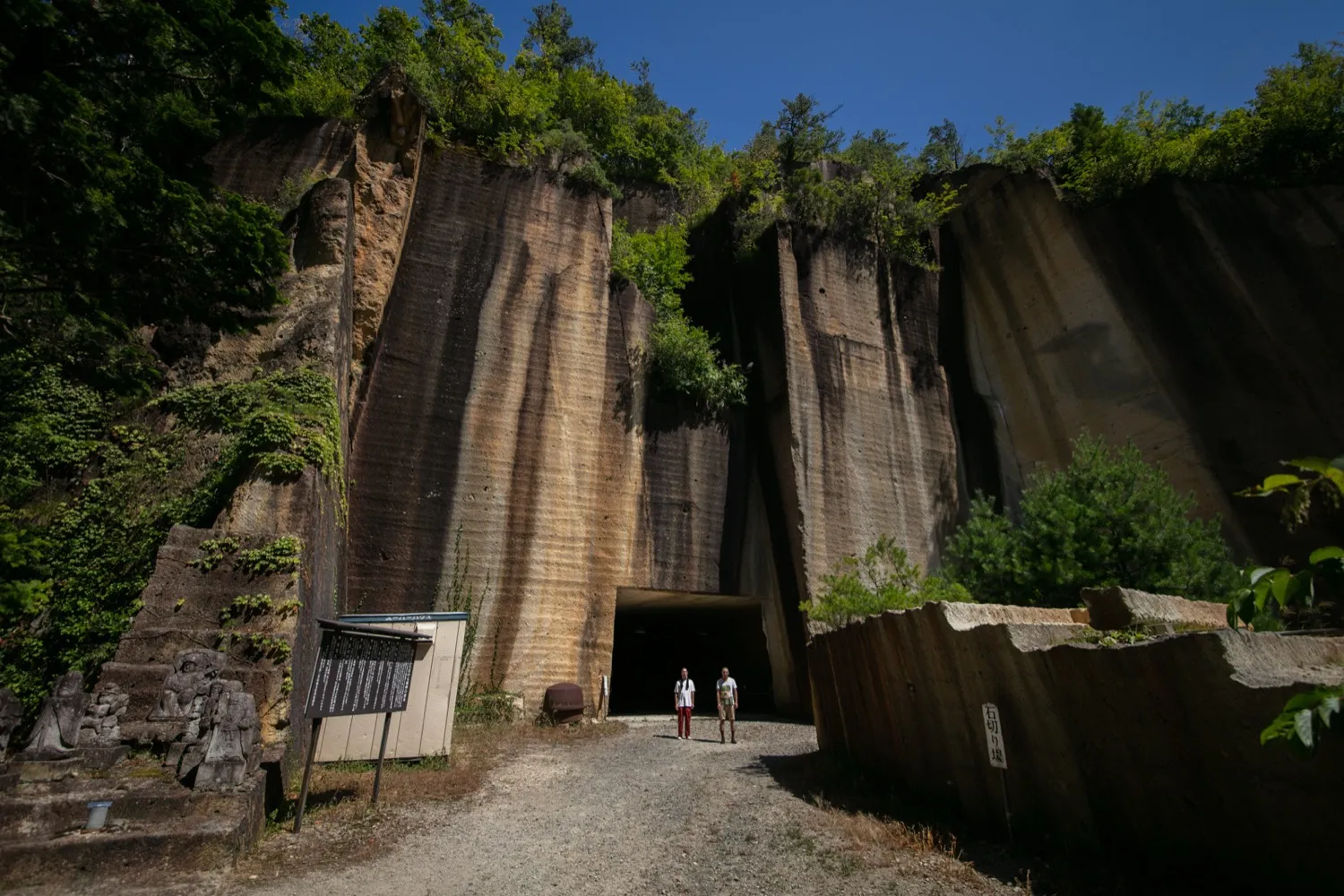
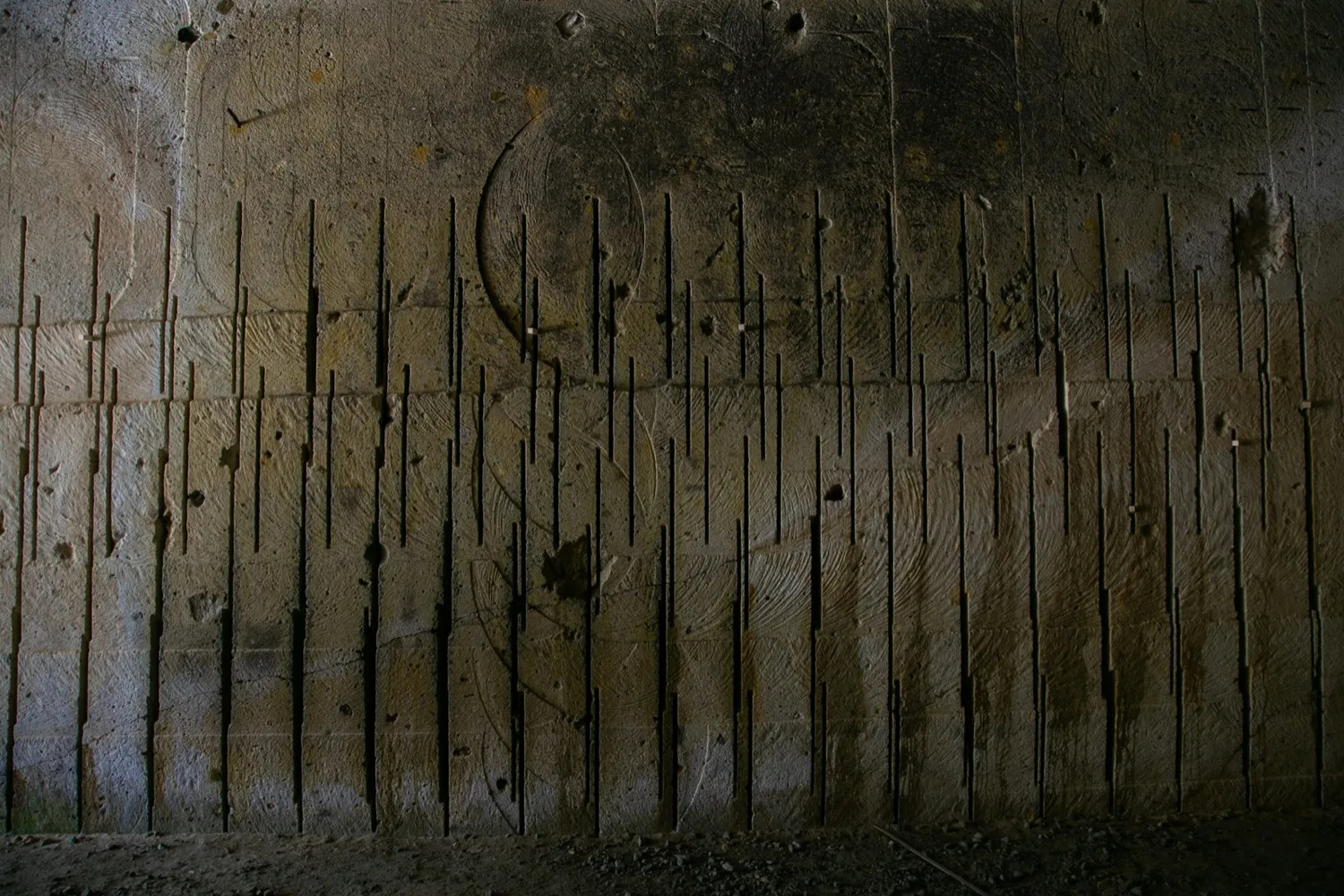
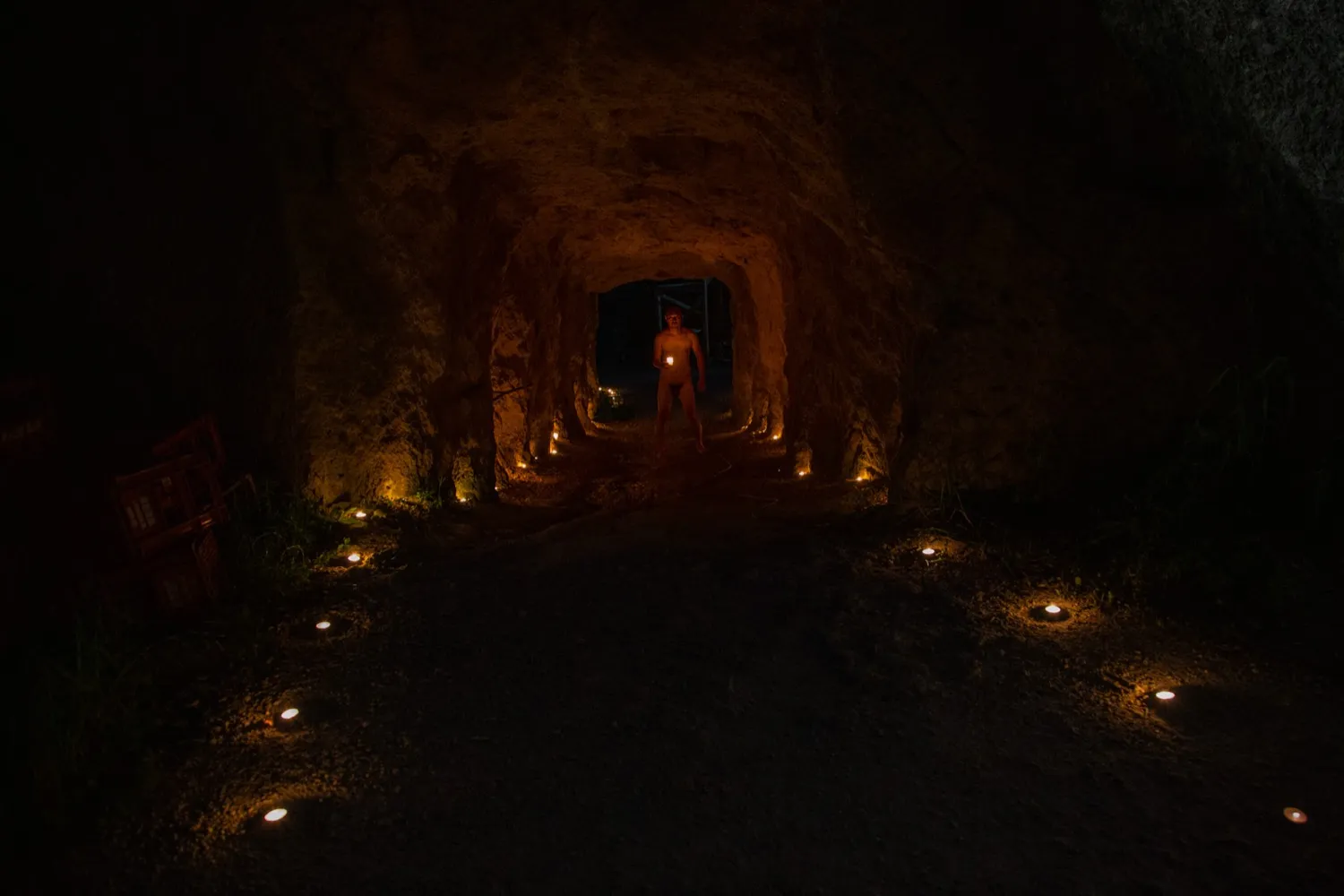
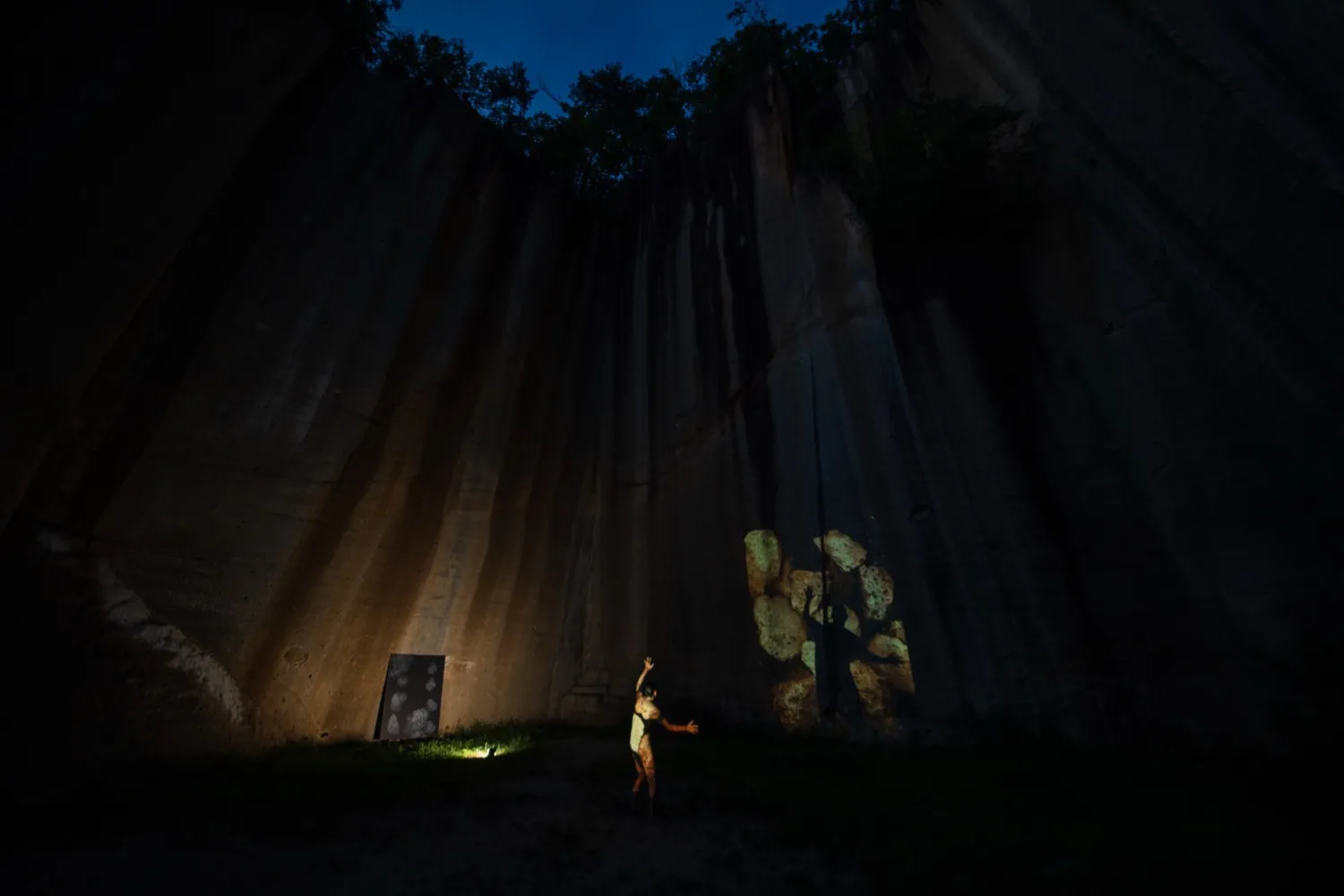
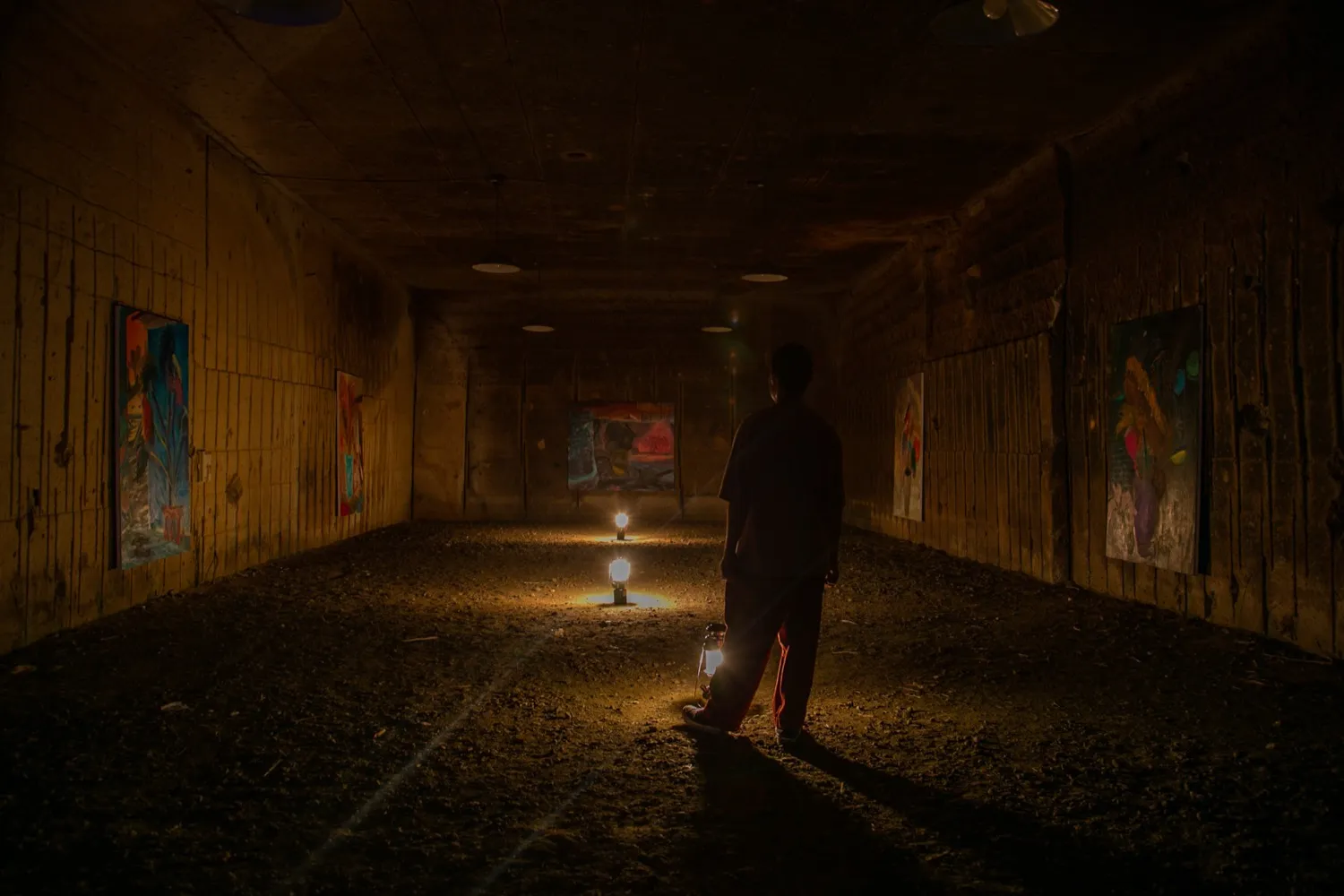
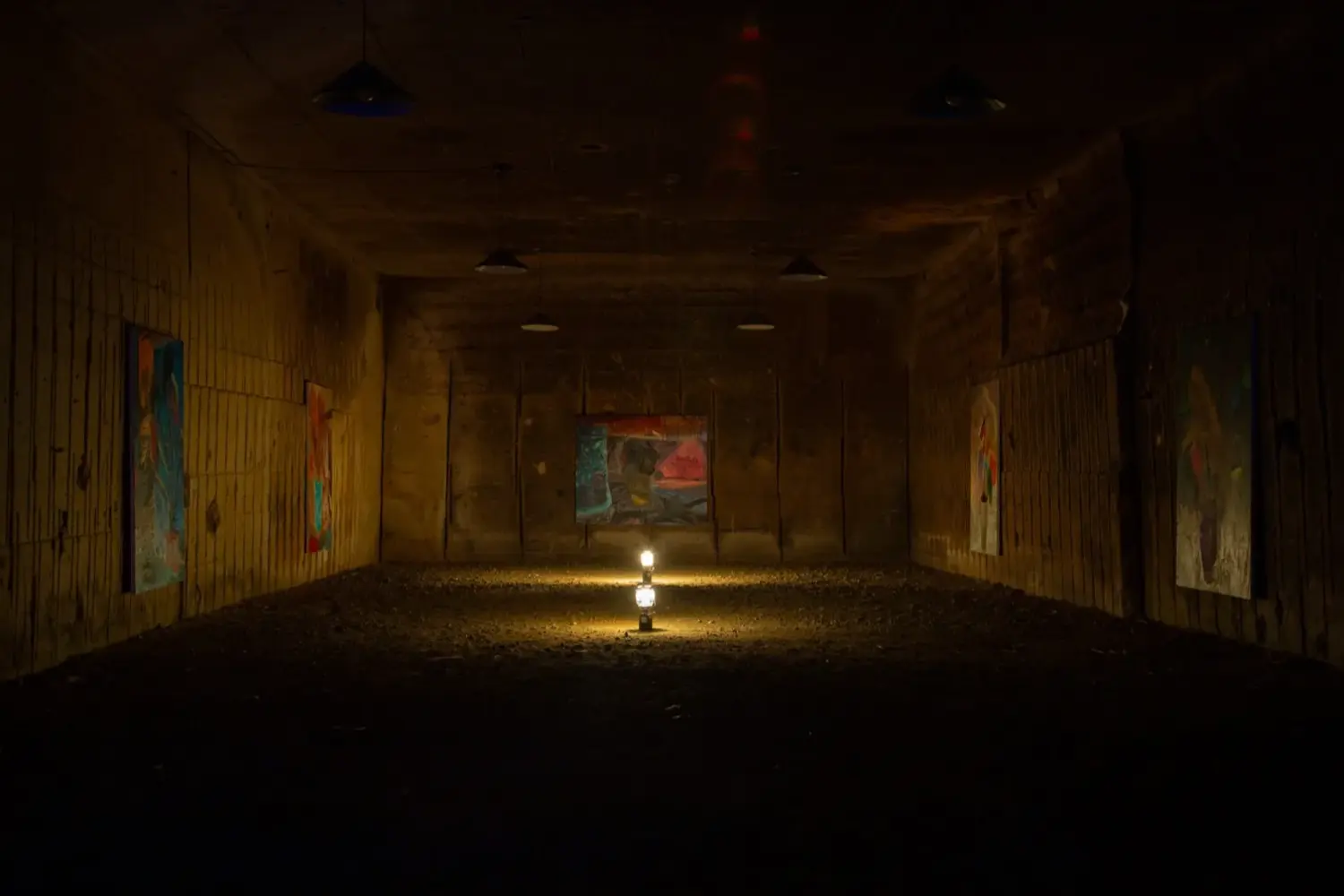
Uriwari Sekitei Park lies in Takahata Town, Higashiokitama District, Yamagata Prefecture — where I lived until I left for Tokyo at eighteen. I had never properly visited the park; I knew only that it was rather popular with city people and that an outdoor music event had been held there the year before. Searching the web, I found that the park, a former quarry, consists of a plaza enclosed by high cliff faces and man-made caves — spaces that flow loosely into one another yet stand on their own — and it seemed just the right scale for an outdoor exhibition. Above all there was the cave, so evocative of a grotto. One need not cite Bataille on Lascaux: cave, sanctity, and painting are contextually inseparable. In the midst of the pandemic, painting would return to the place where it began. It was, truly, "Alpha Omega."
With the artists' consent, I went straight to my father, who said we could probably use it. With the town office's cooperation, it turned out we could. Officially, however, the project went through described not as an exhibition but as a filming session — and though we never intended otherwise, I wonder what would have happened had we applied as an exhibition open to the general public. That outdoor music event was canceled this year. Tokyo's museums, incidentally, were by then already open in the "conventional art style," with no restrictions to speak of. I make no judgment either way; that was simply the reality.
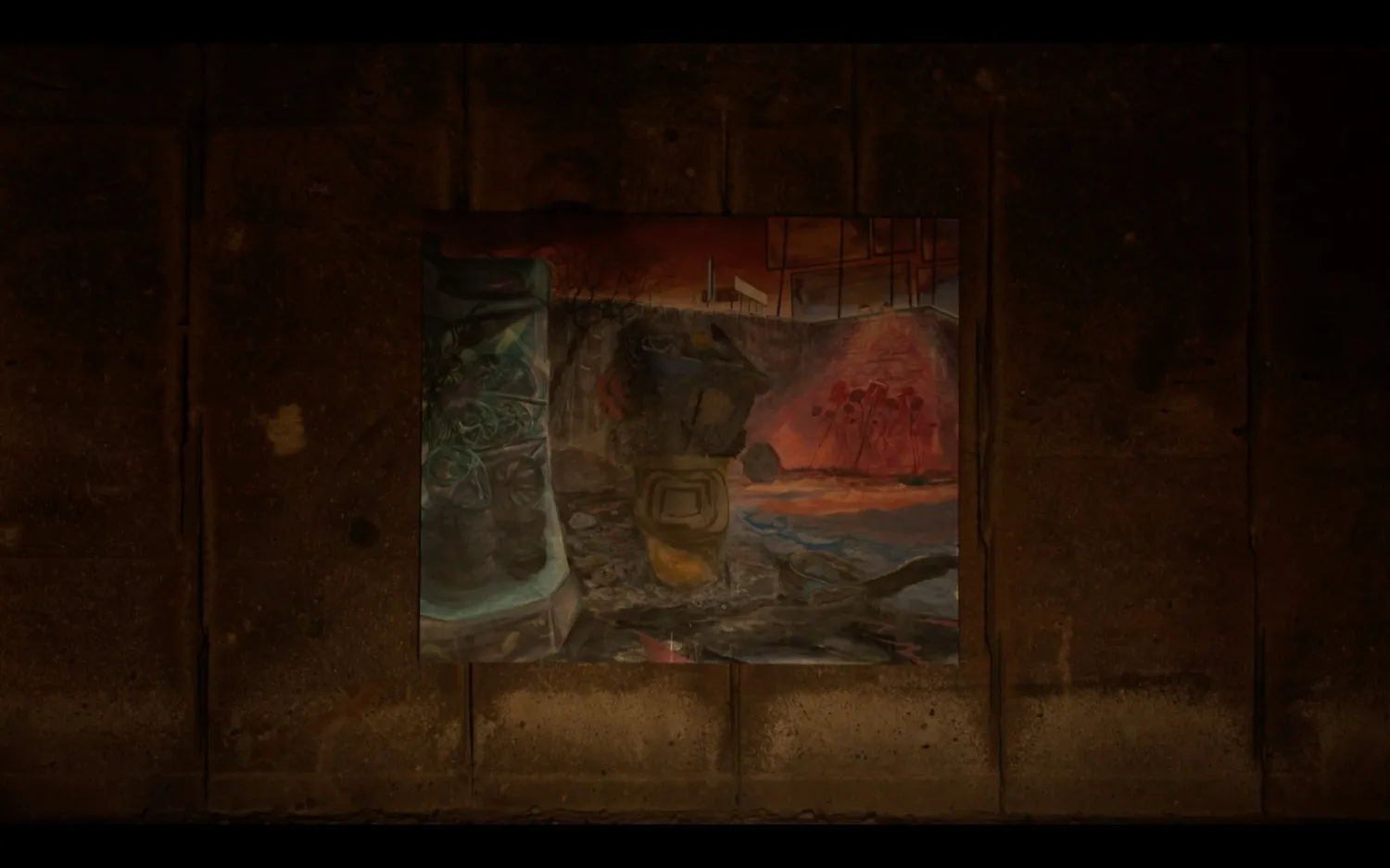
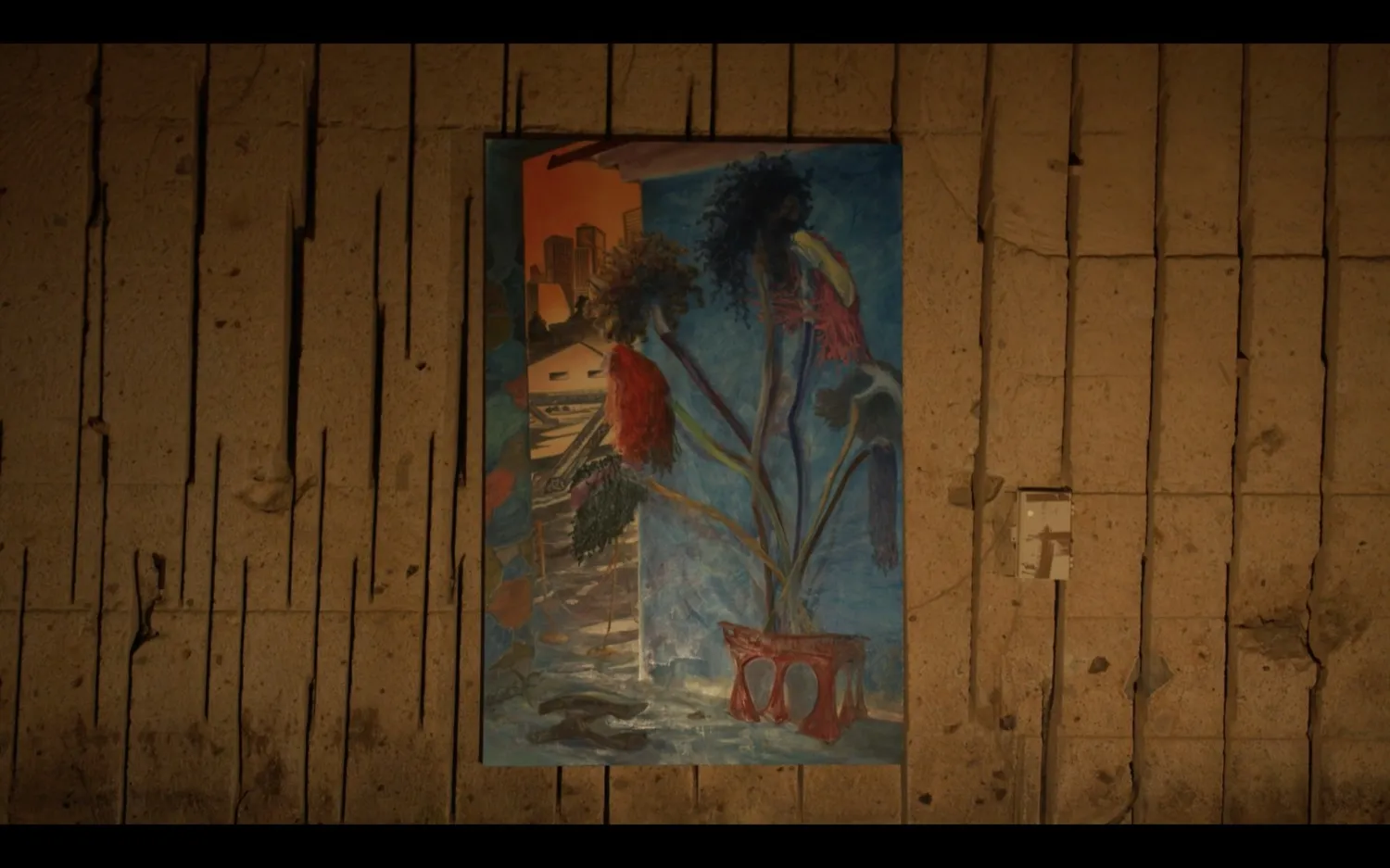
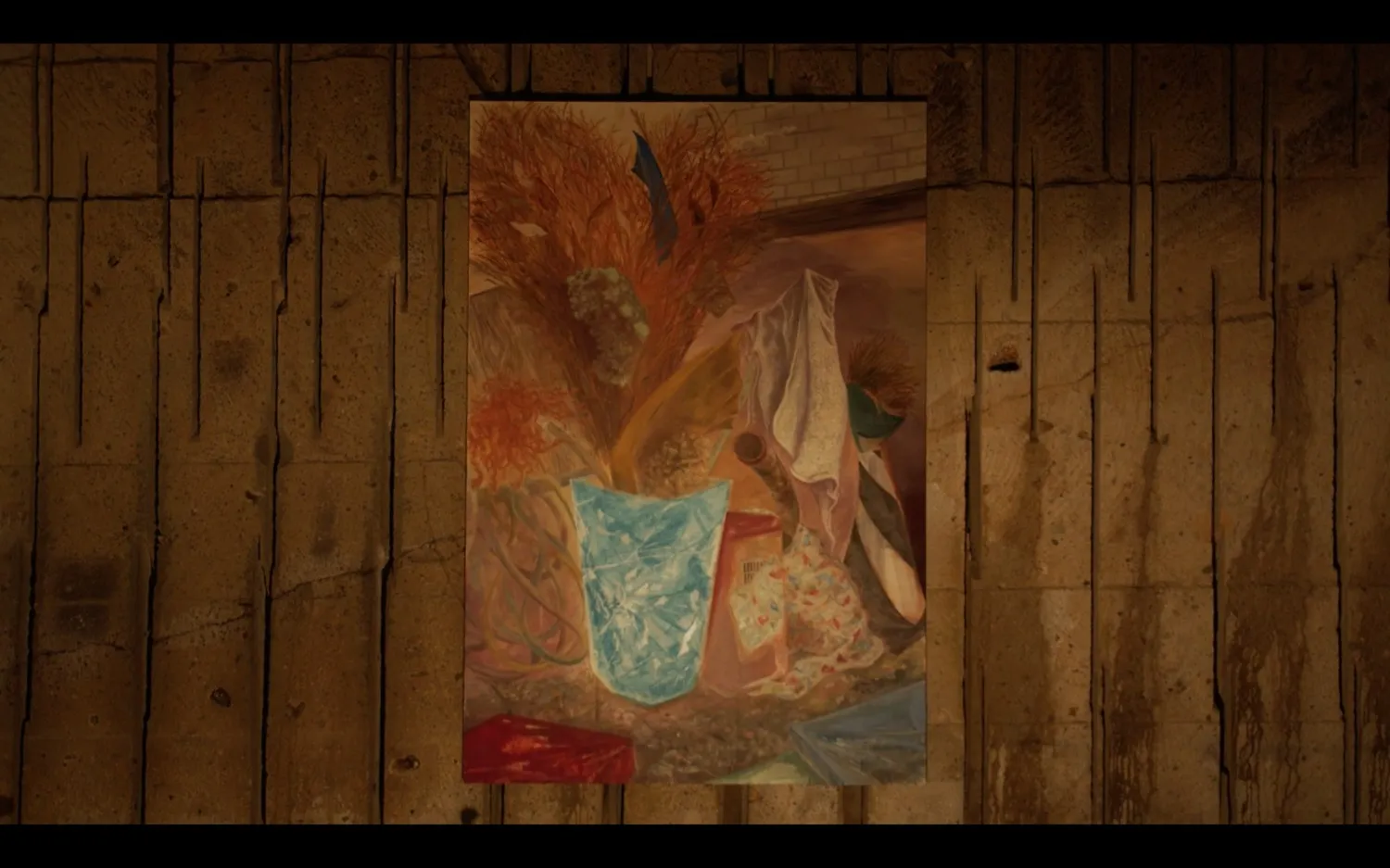
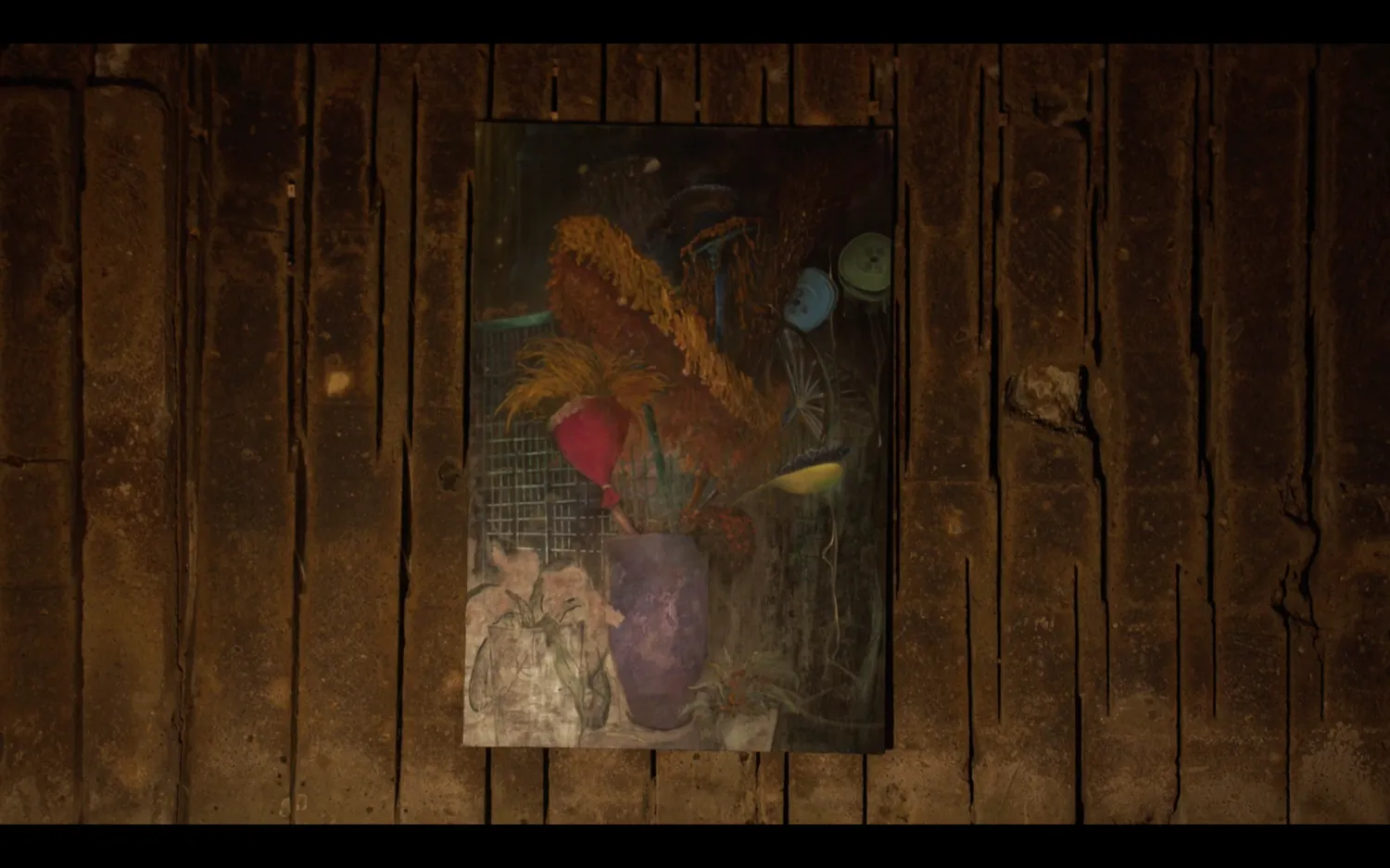
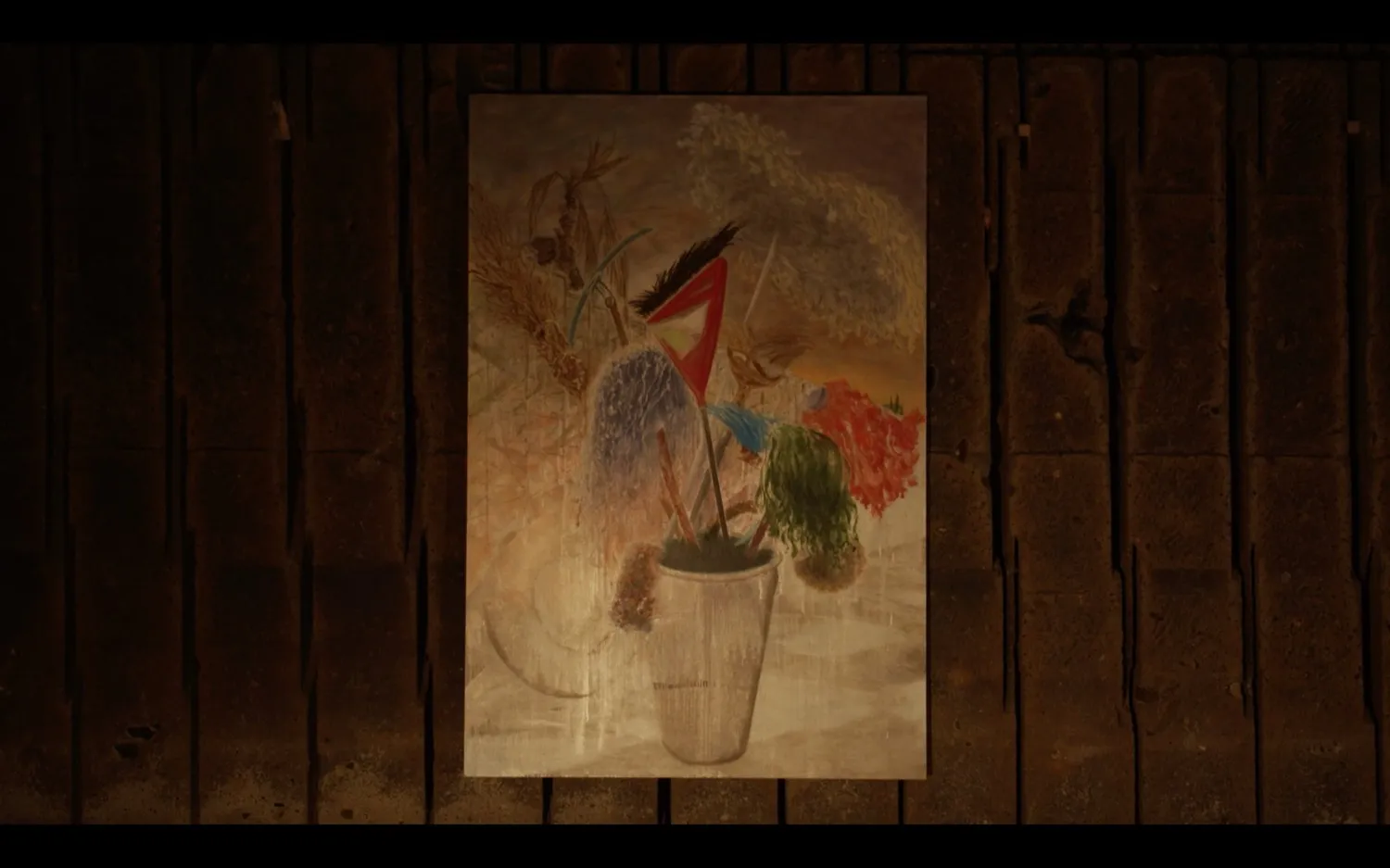
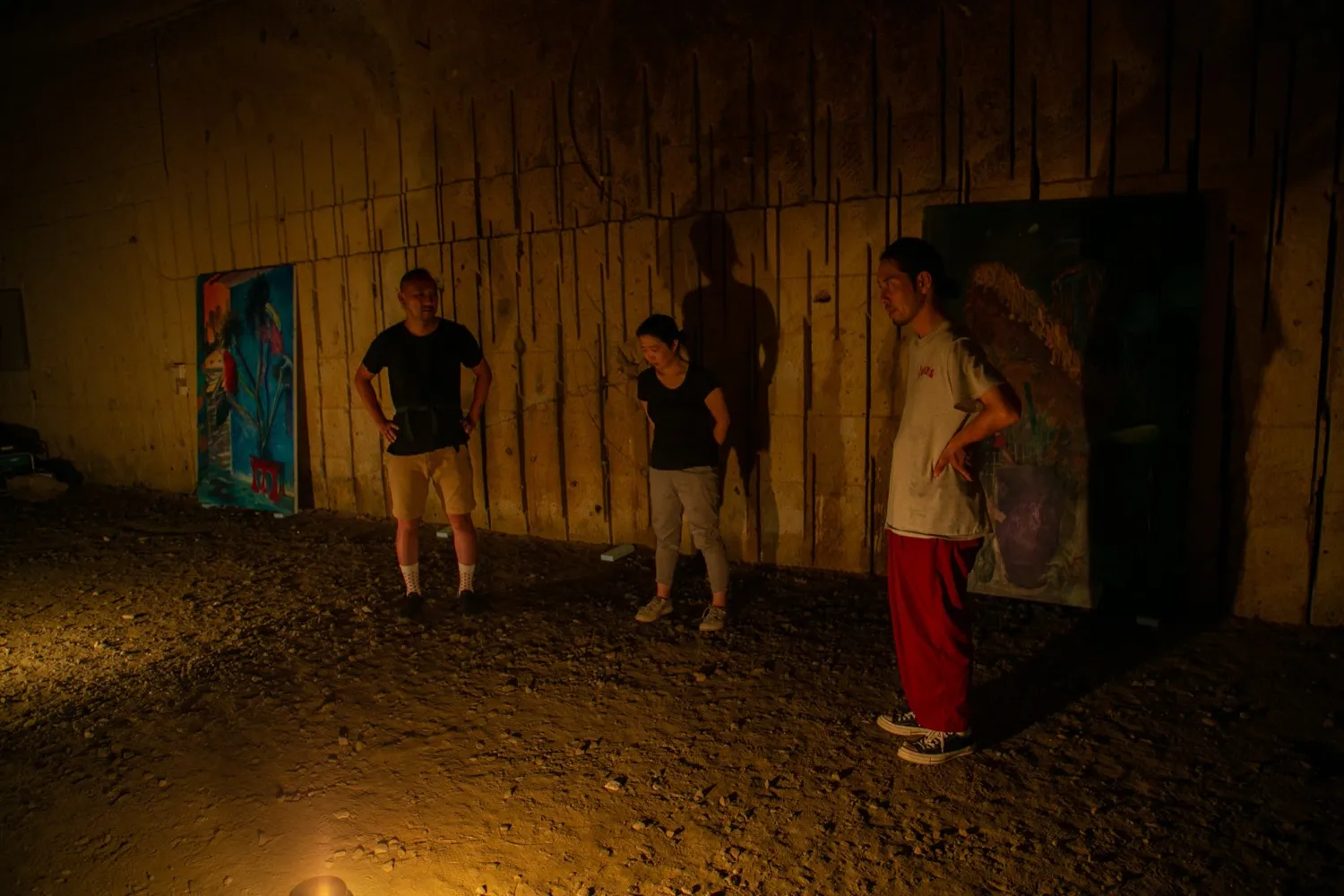
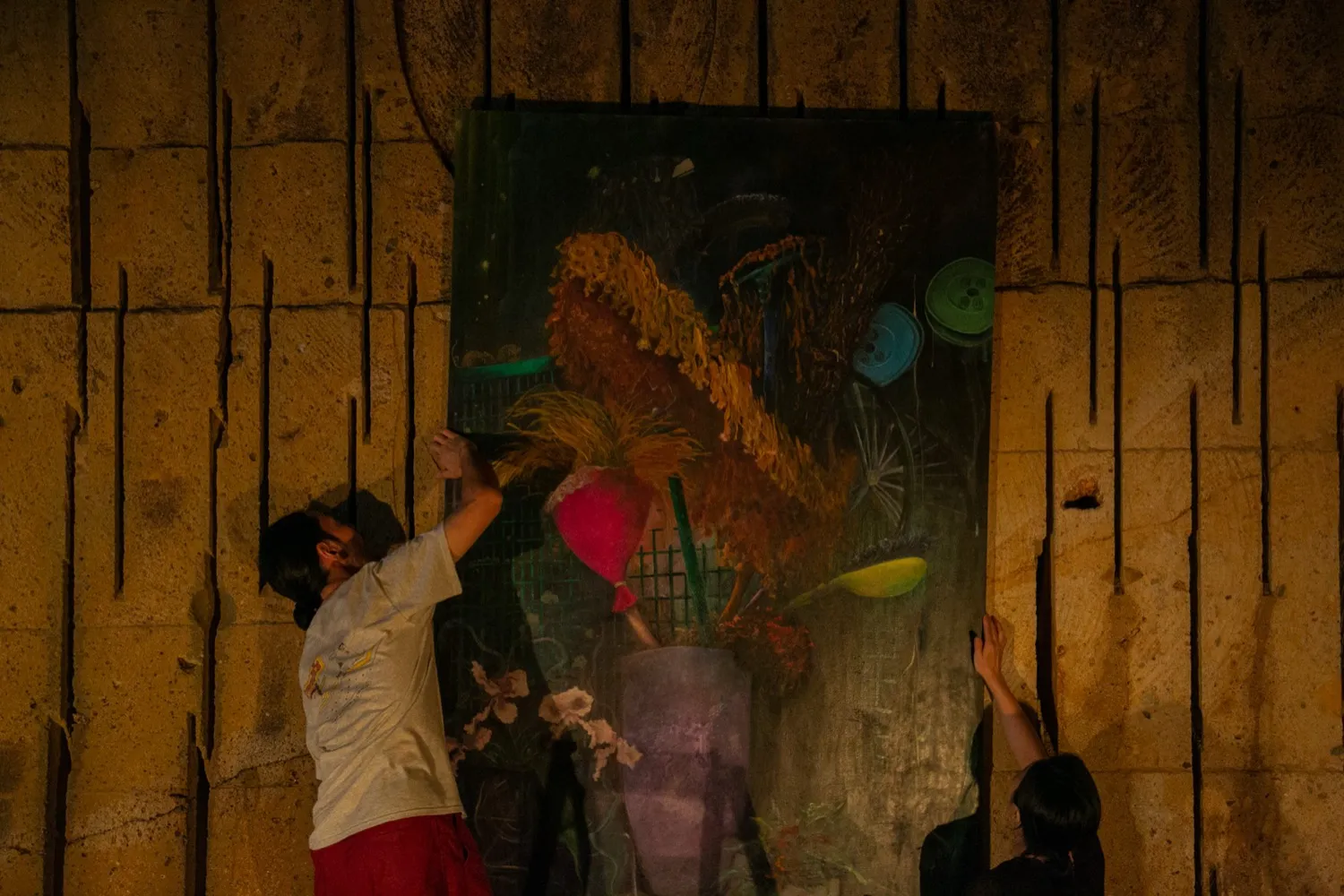
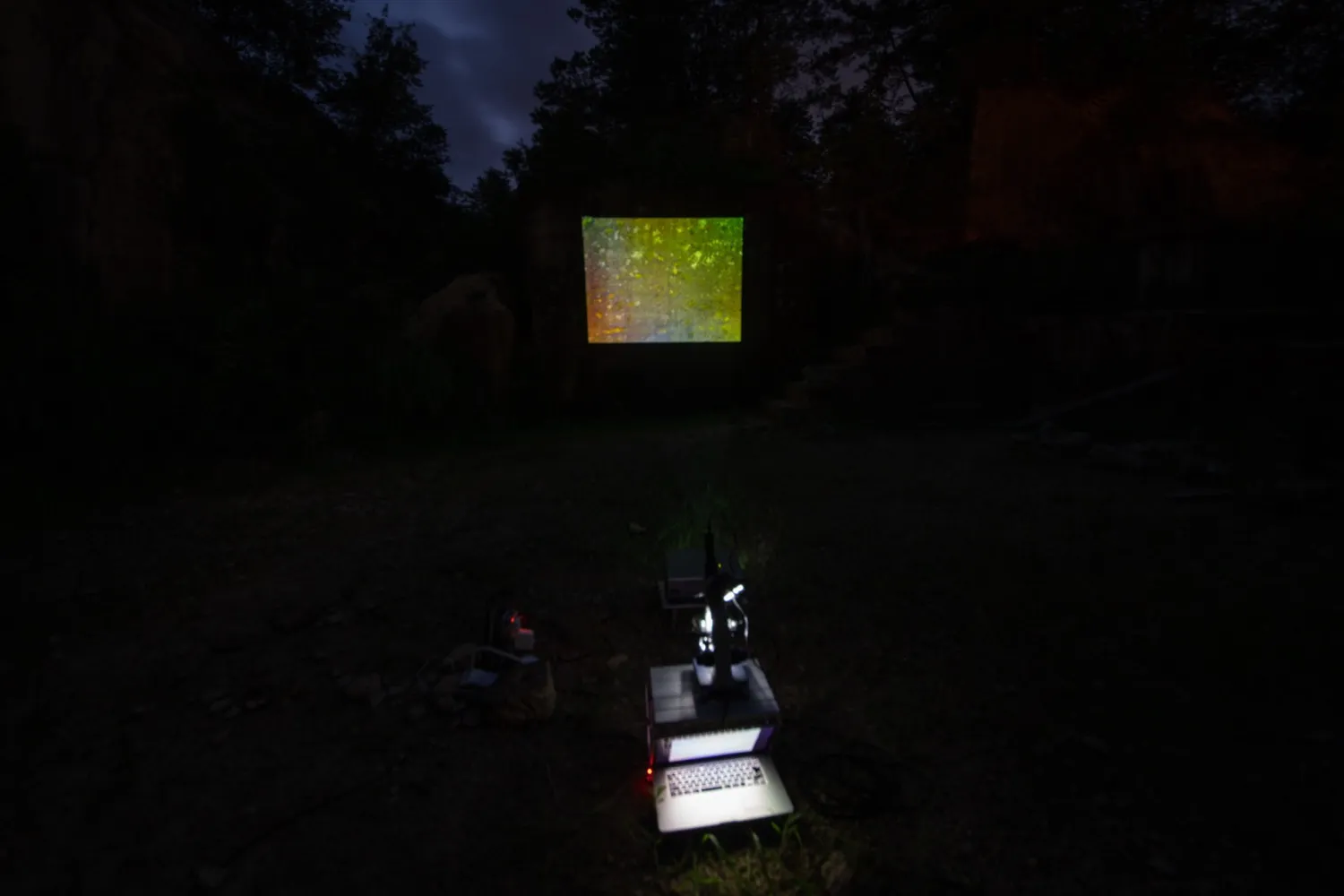
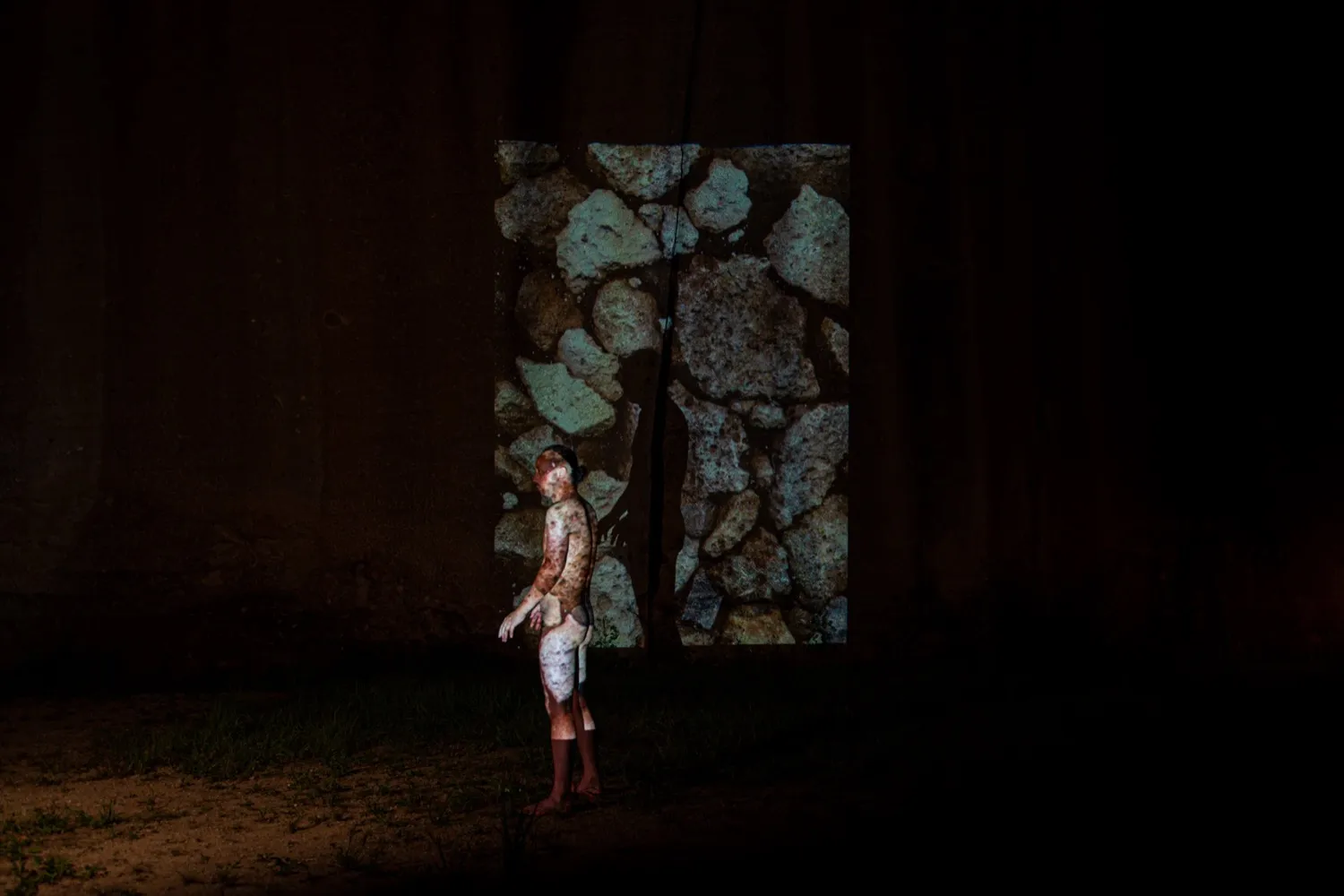
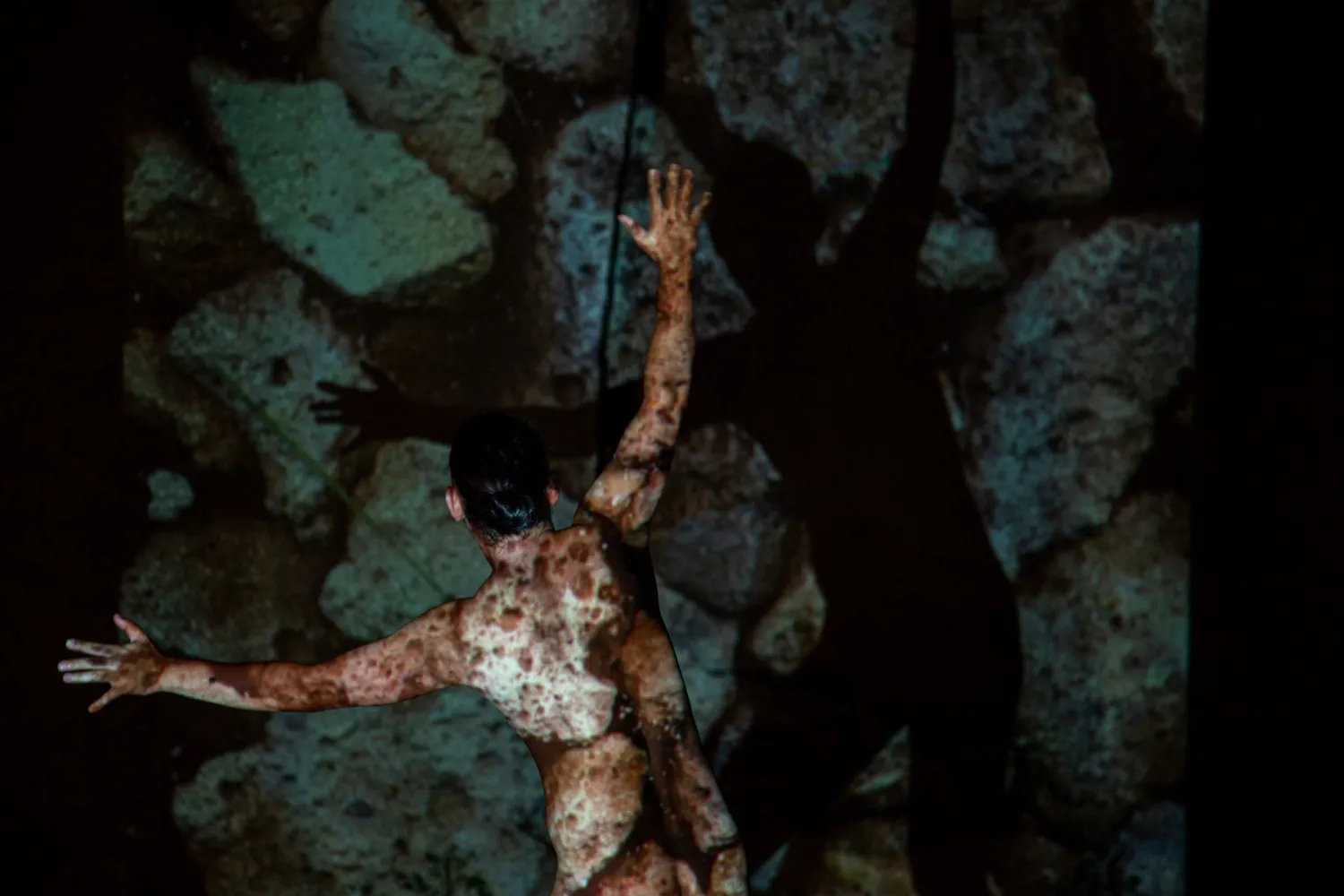
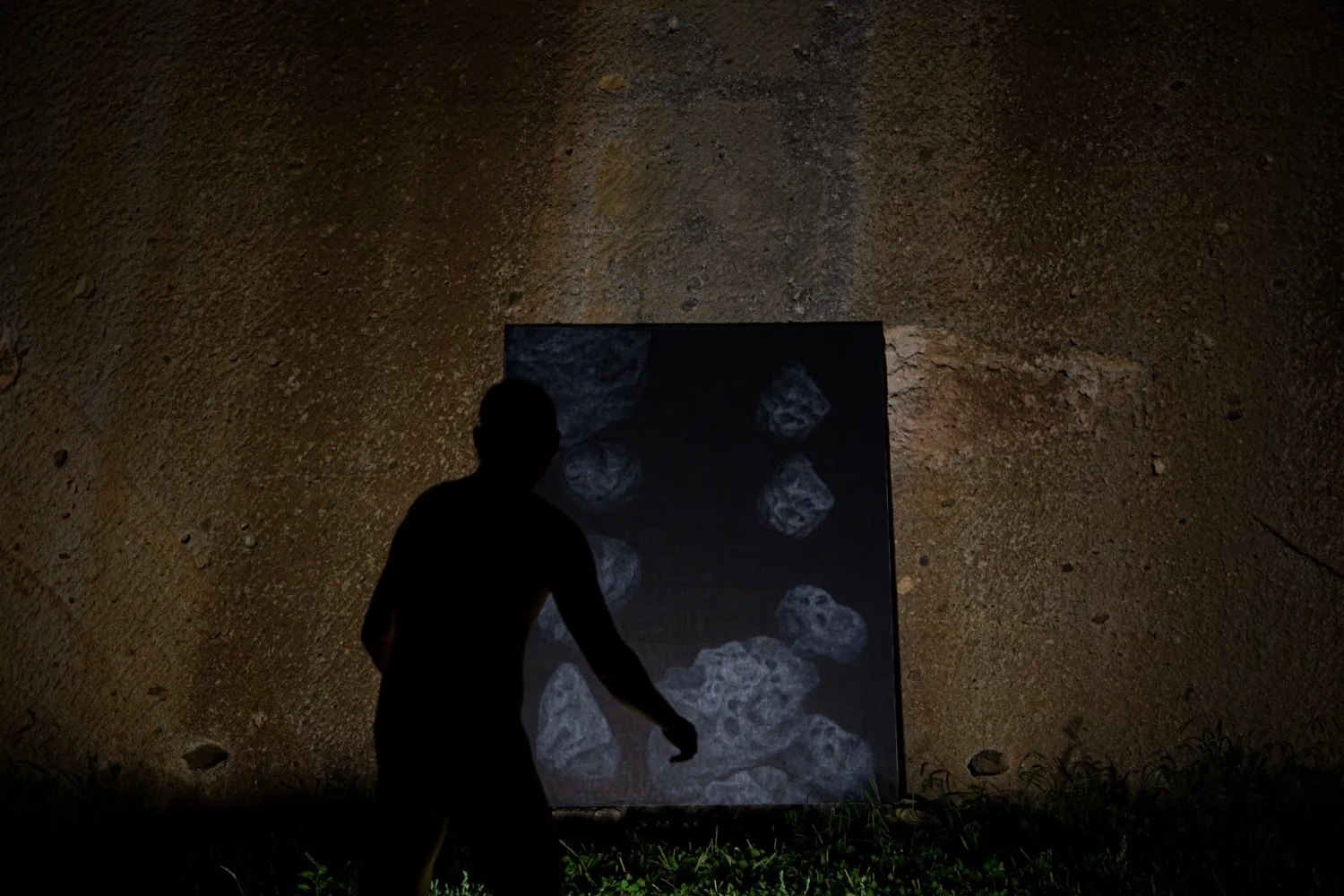
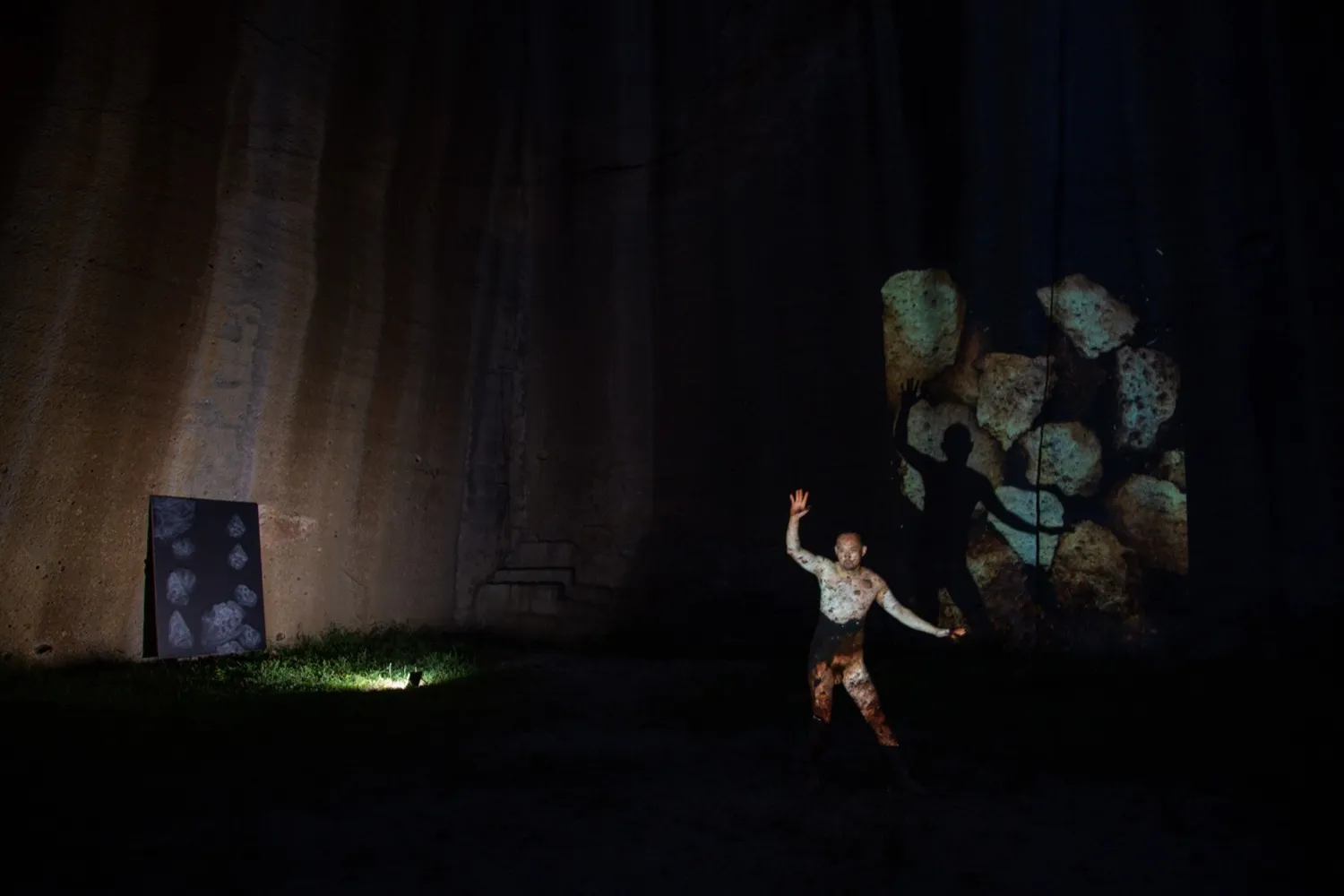
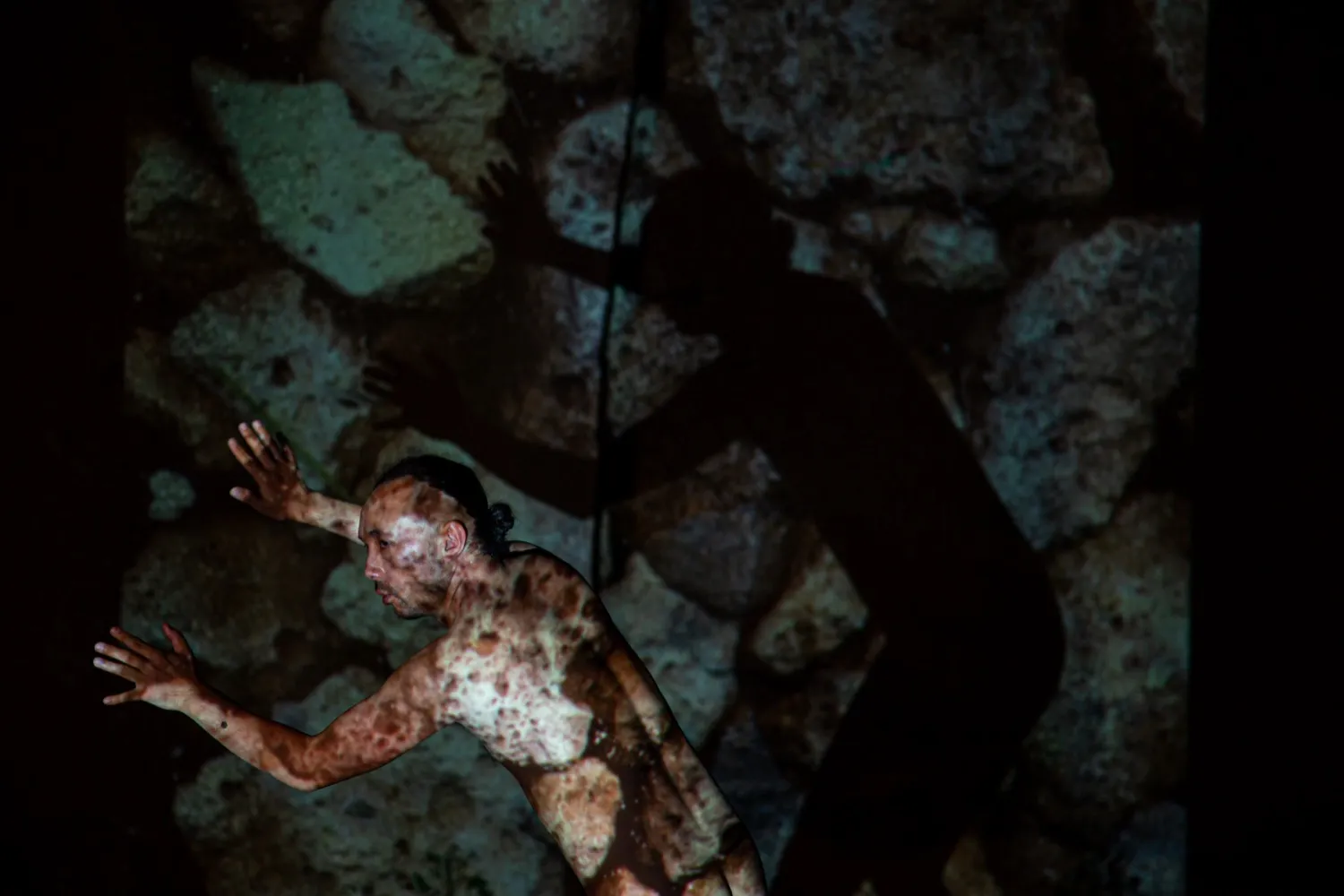
When July came, infections rose again, as expected, and tension mounted once more. Even so, the three of us quietly pressed on with site visits and preparations, and it was settled that Fukunaga would hang his paintings on the cave walls while Ishii projected video onto the rock face along the way and the cliff at the back. During the preparations, because my mother is in delicate health, my parents asked me to keep to a kind of quarantine at their house, using only the large room, the toilet, and the open-air bath. I felt bad toward the artists, yet part of me understood all too well the realities and habits of mind particular to the countryside; the virus's troublesomeness sank in, and my commitment to the "new art style" only deepened.
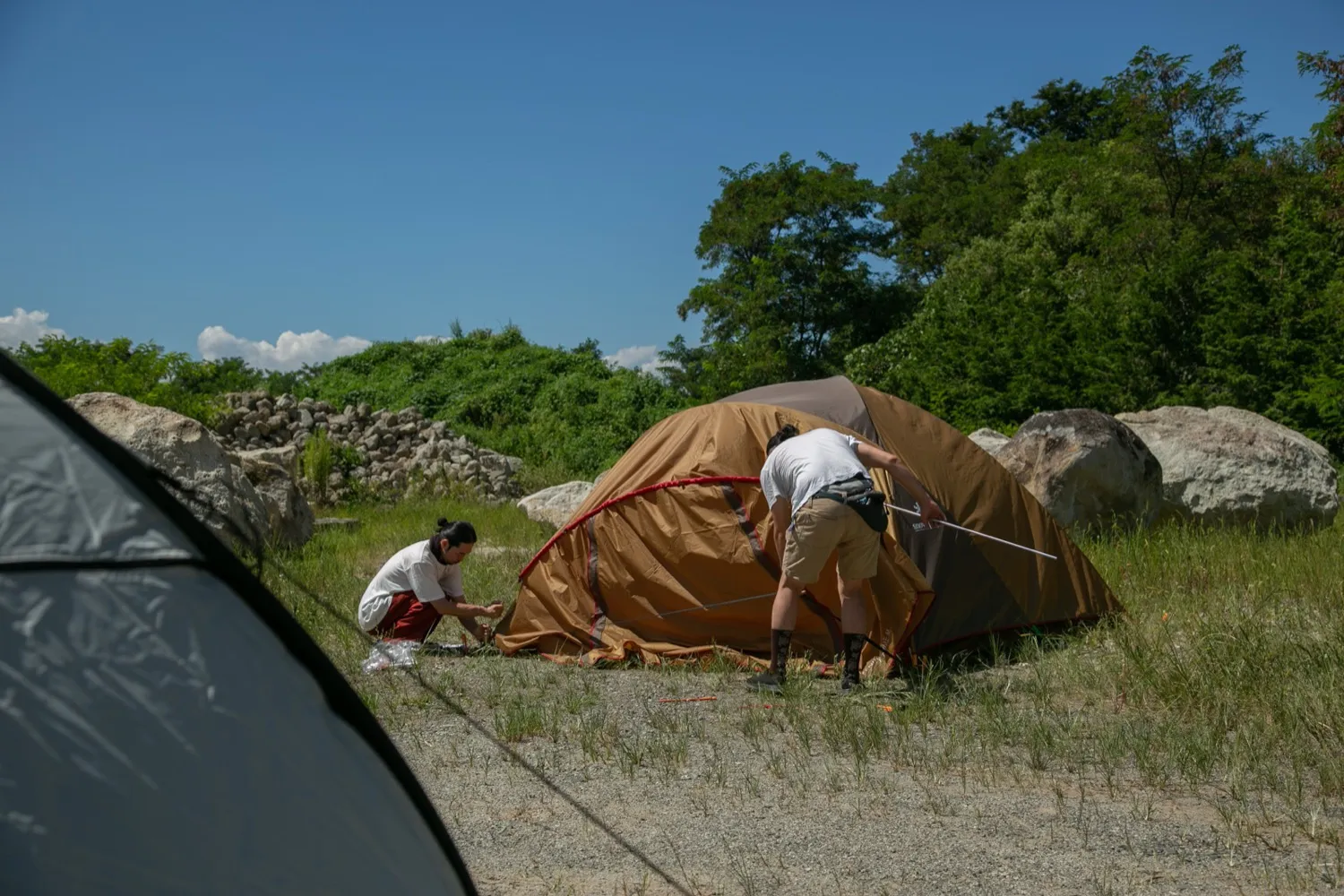
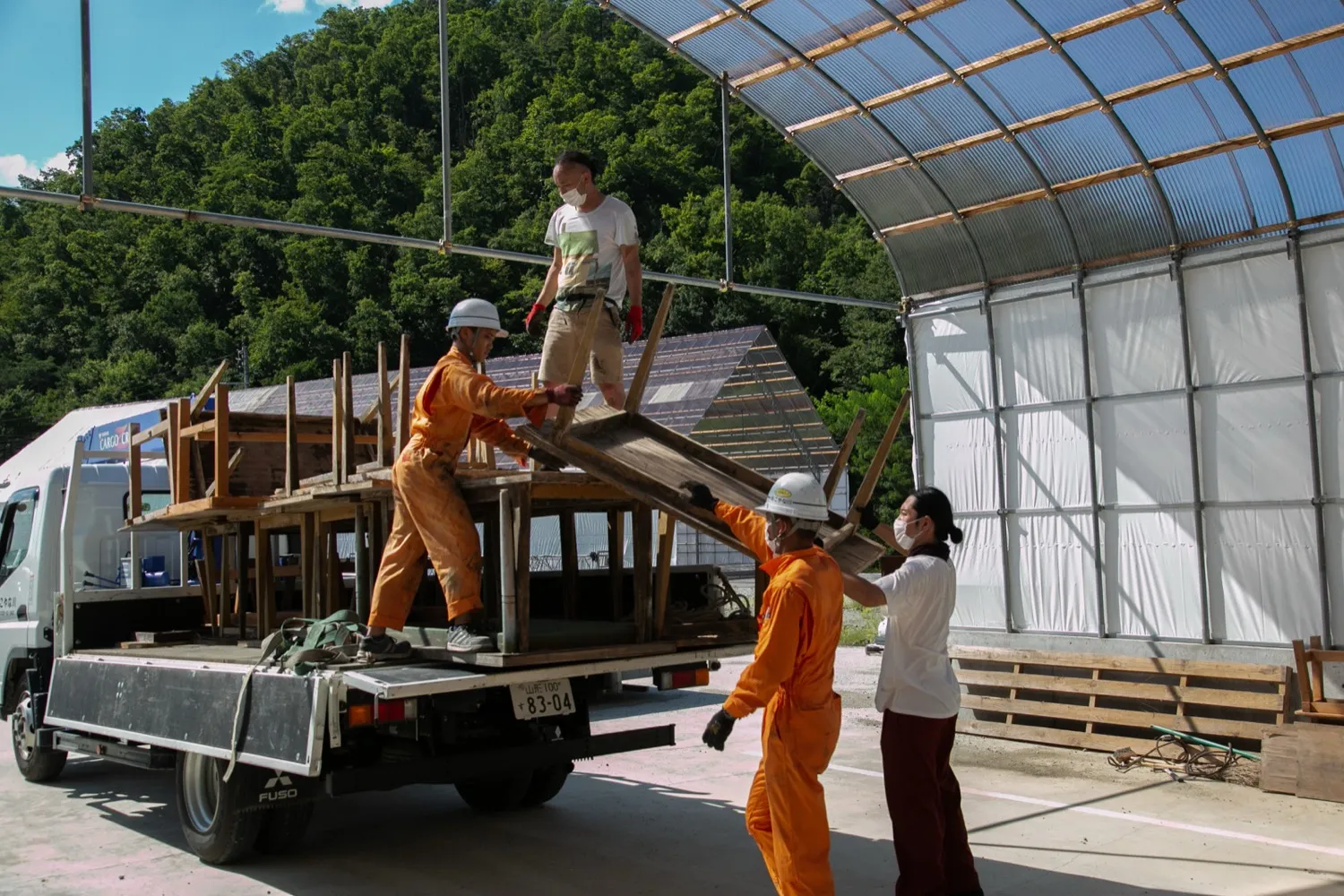
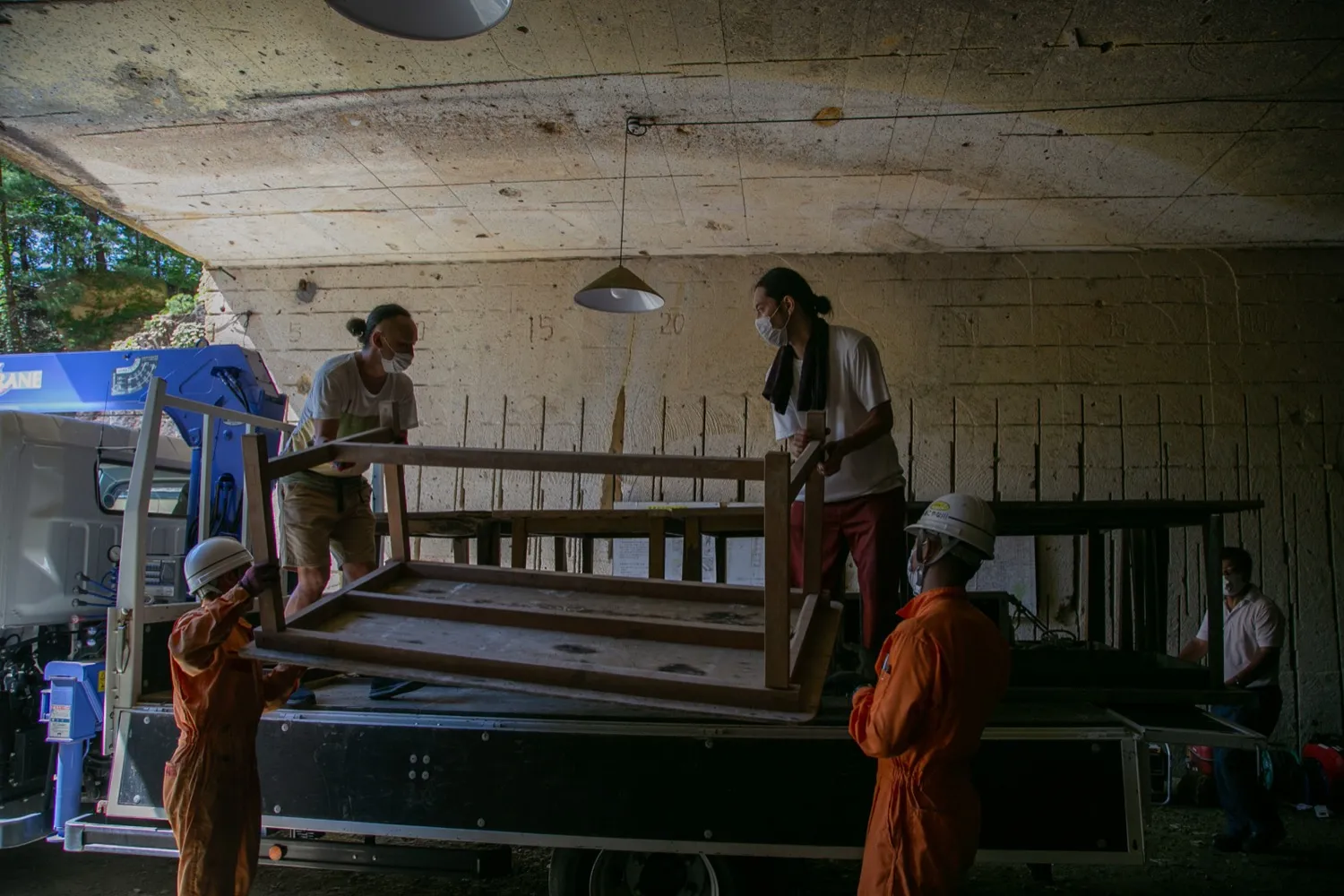
On August 27, Ishii, Fukunaga, Usami, and I drove into Yamagata in a two-ton truck and a station wagon. Katayama and Tezuka followed, and then Miyake arrived. To make absolutely sure no infection was carried from Tokyo into the region, artists and staff alike lived in tents — a thoroughness that was itself part of practicing the "new art style." Throughout the period Yamagata suffered a heat wave exceptional for late August; some fell ill, but with the help of employees from my father's company the work went forward, and somehow we reached opening night.
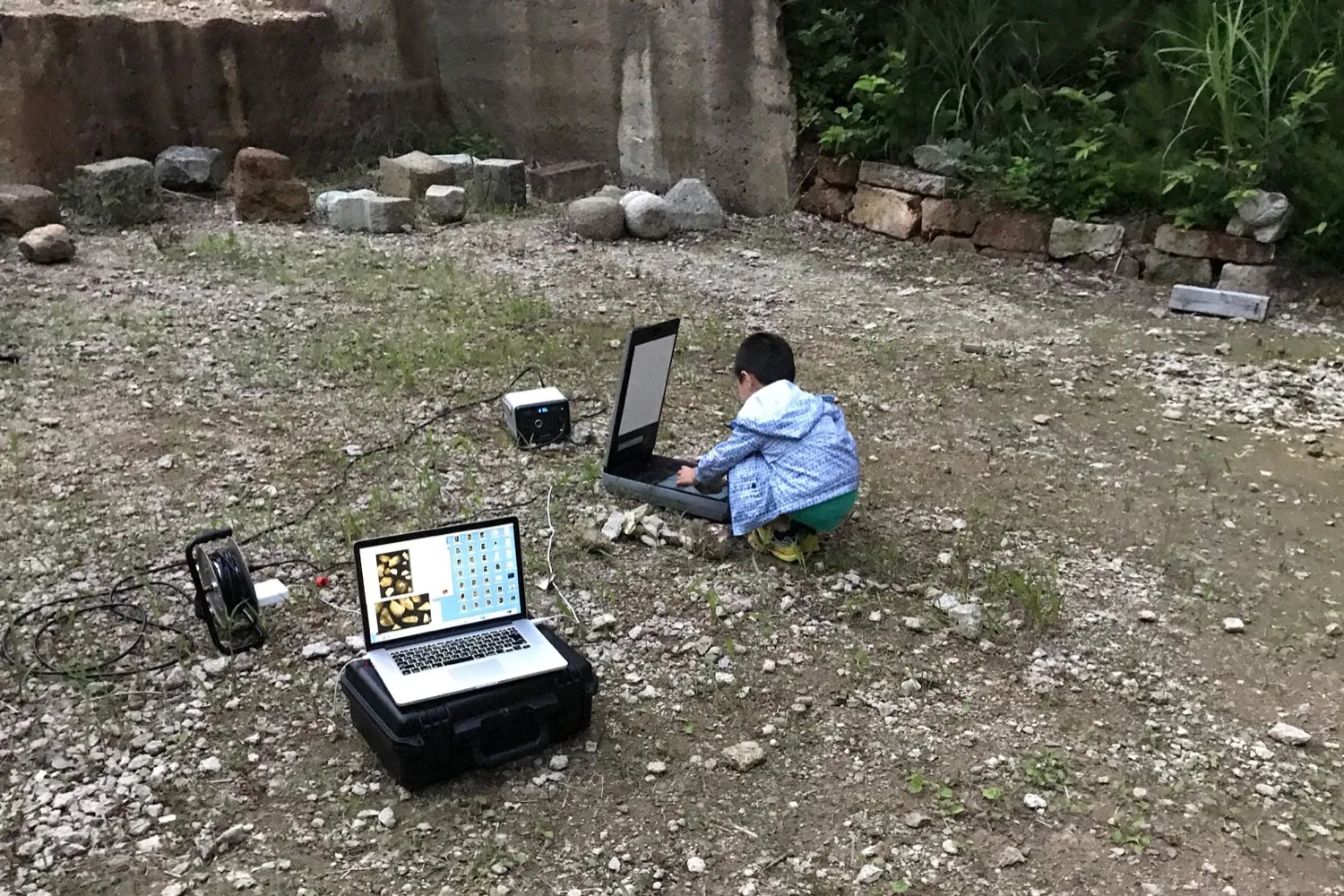
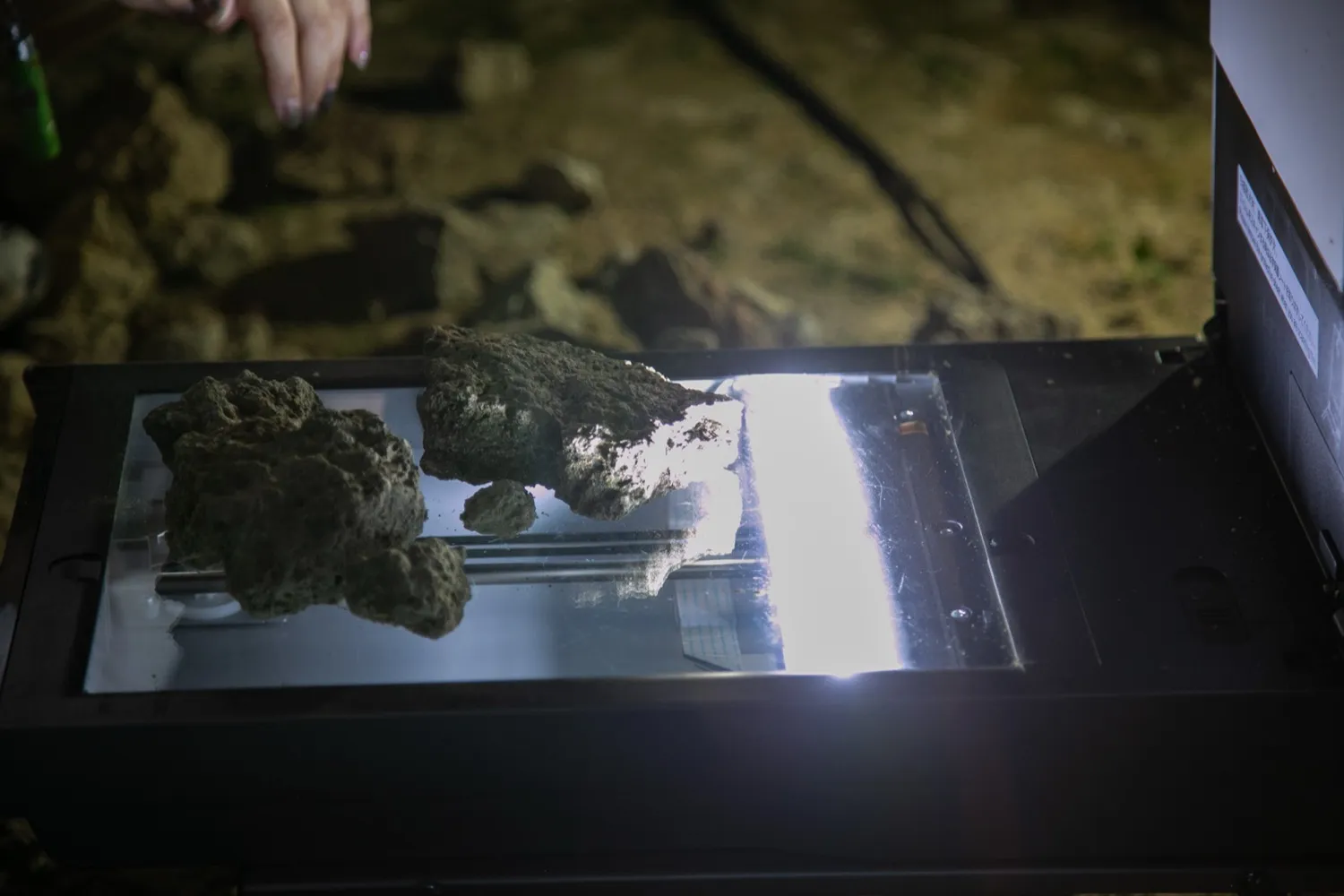
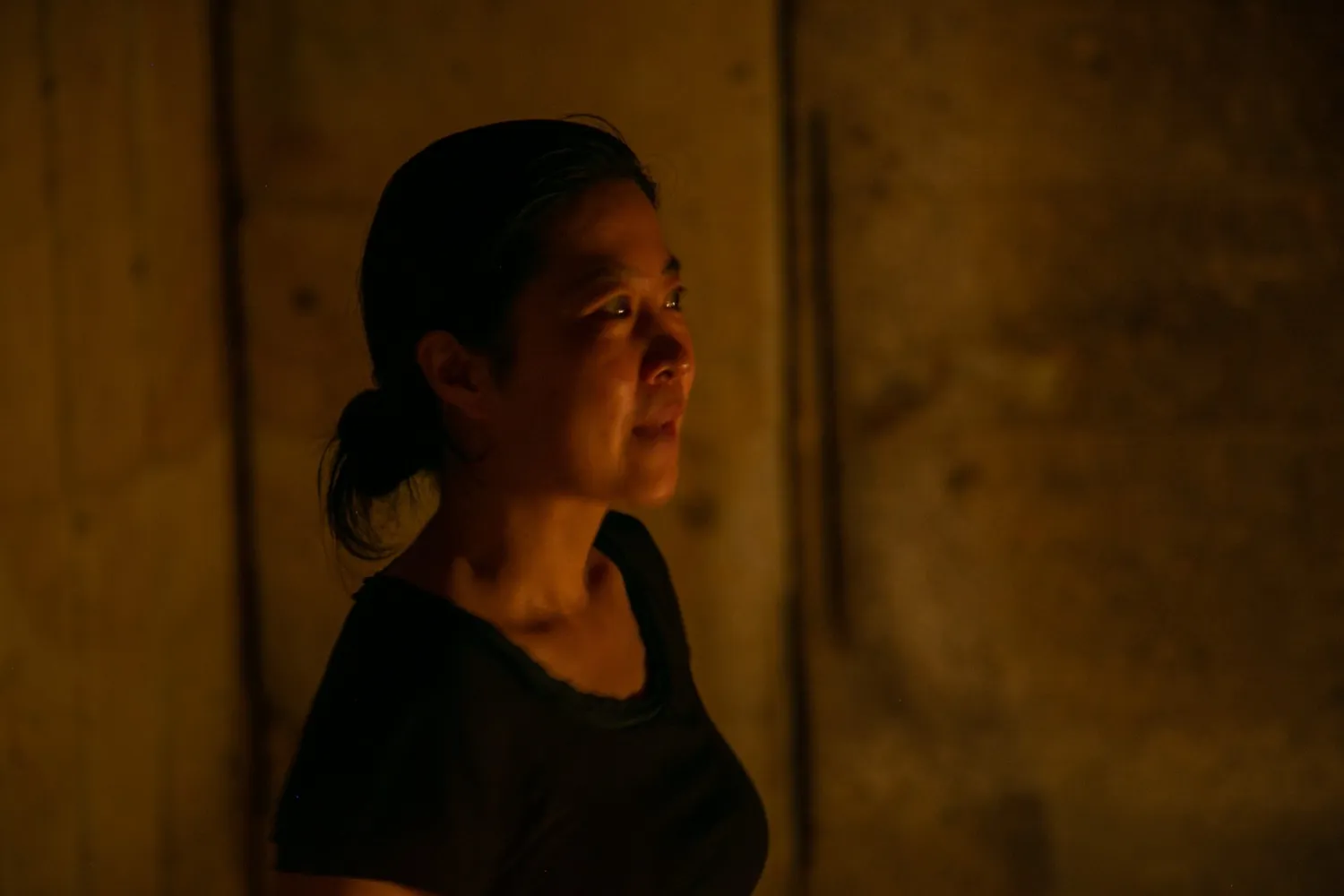
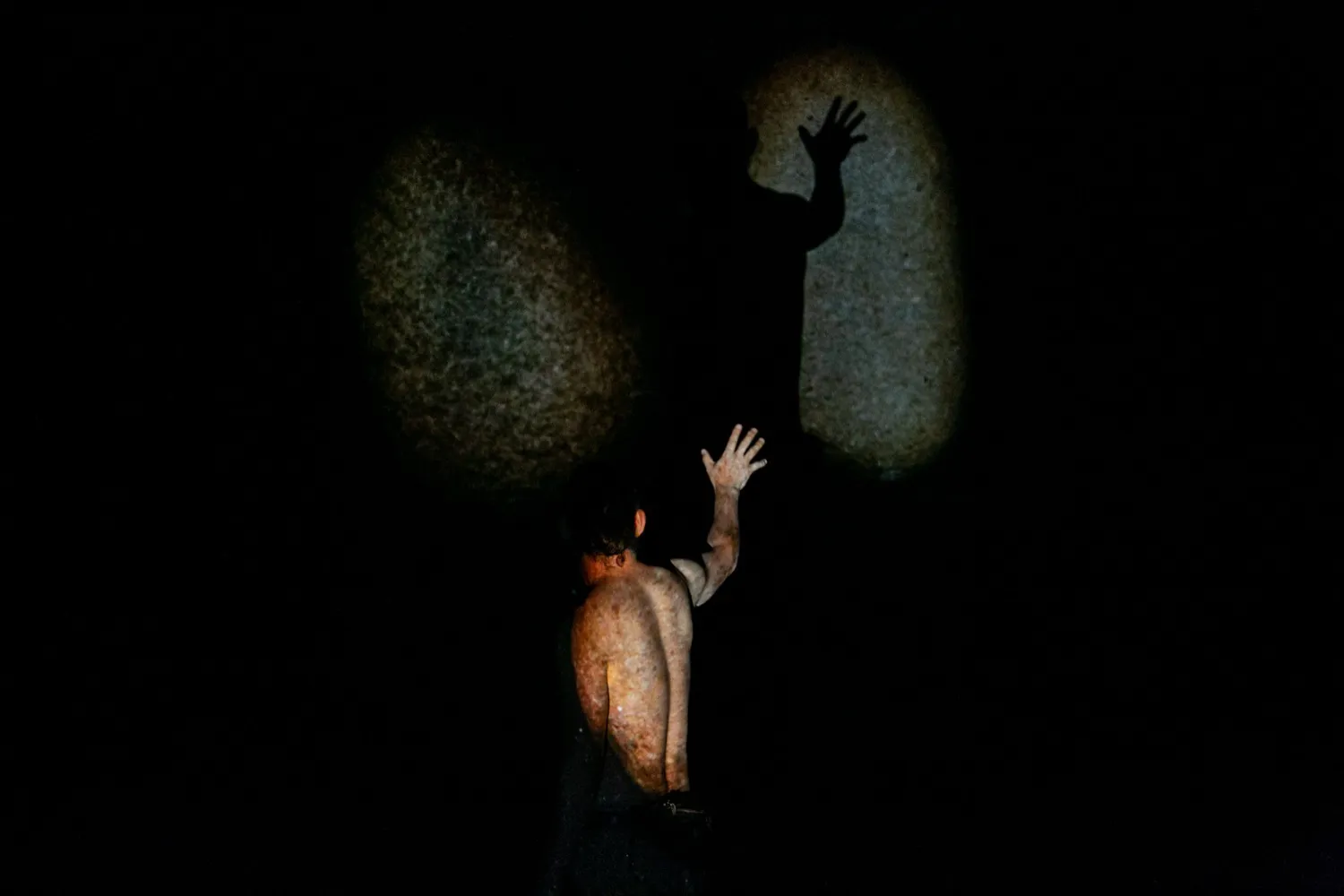
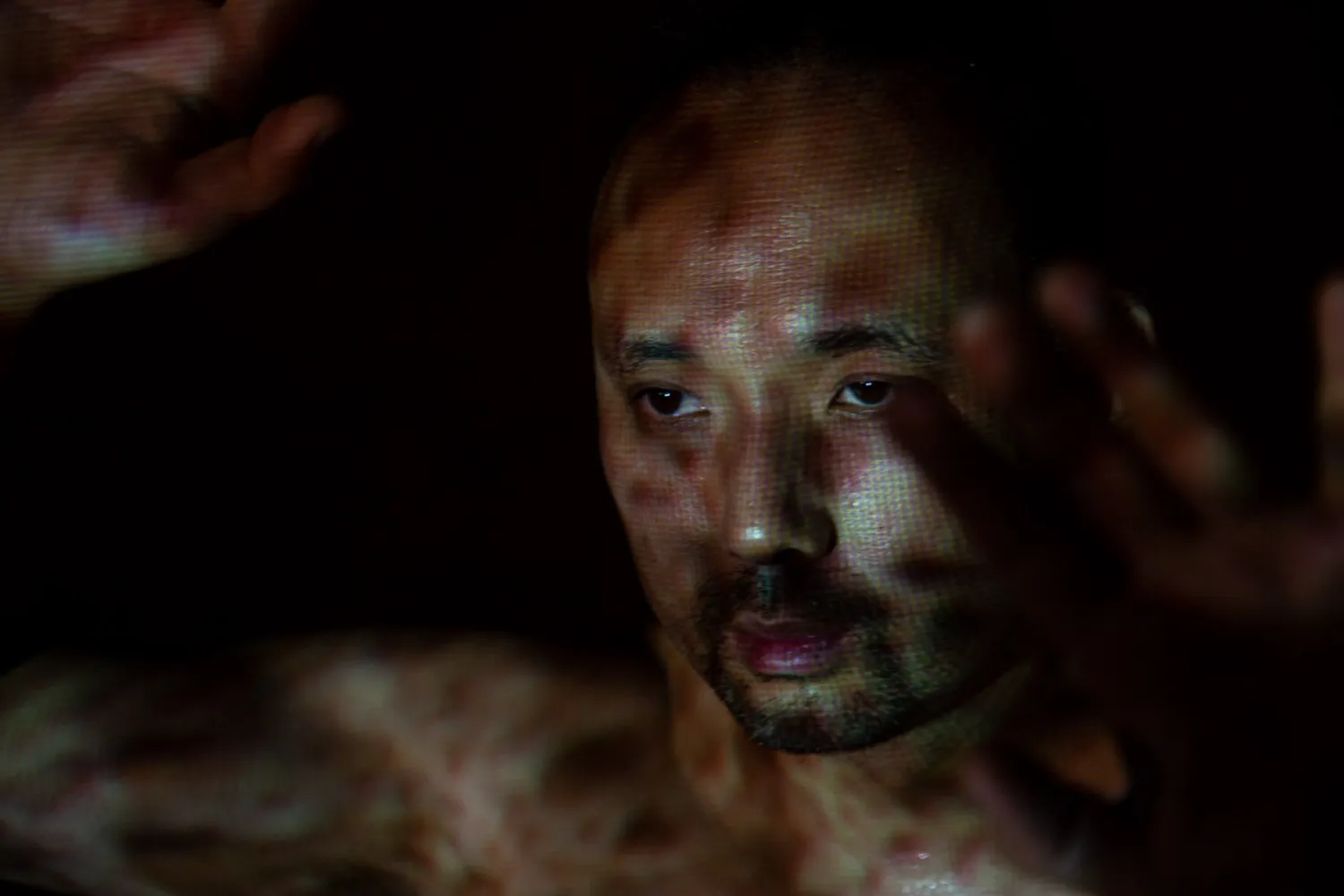
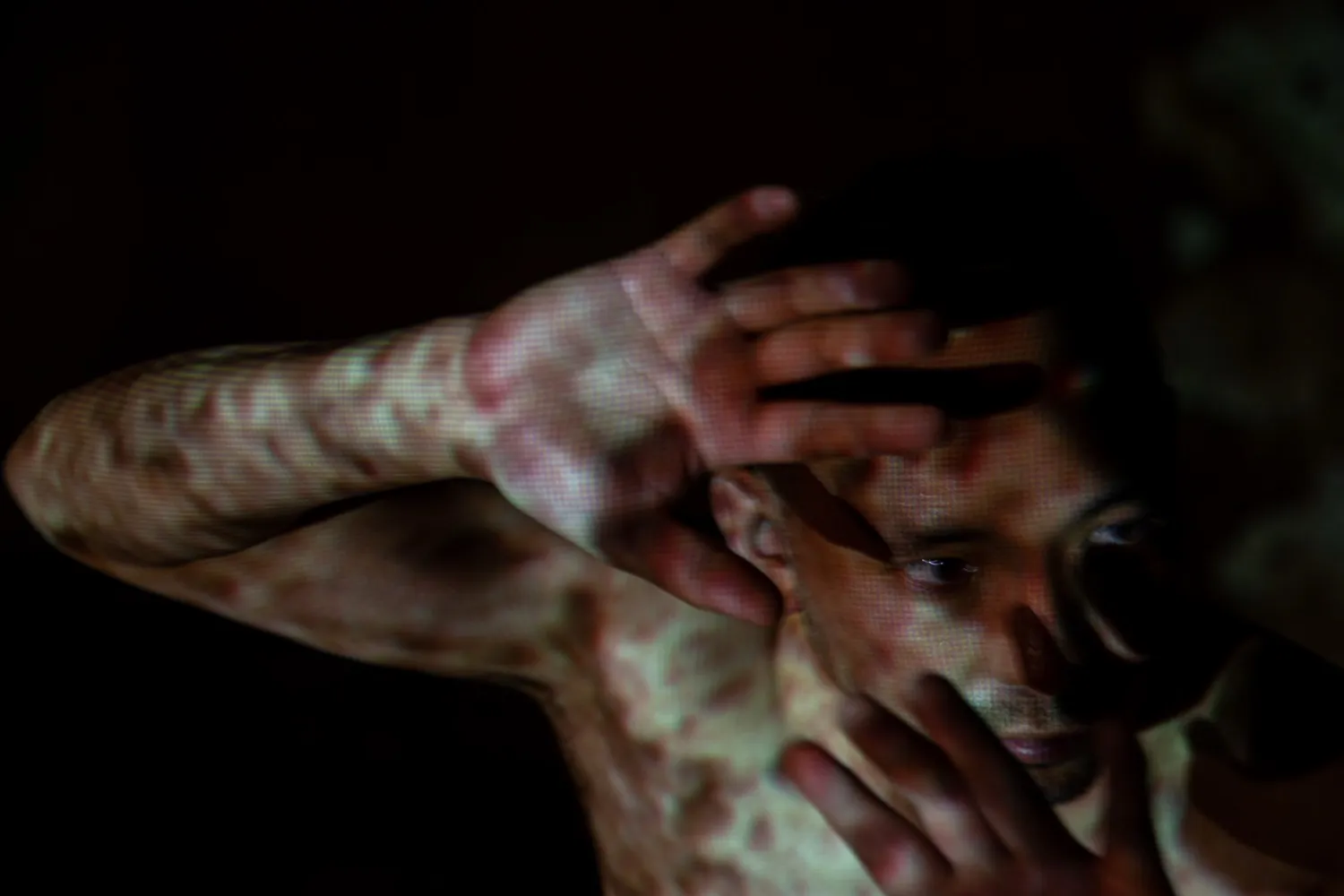
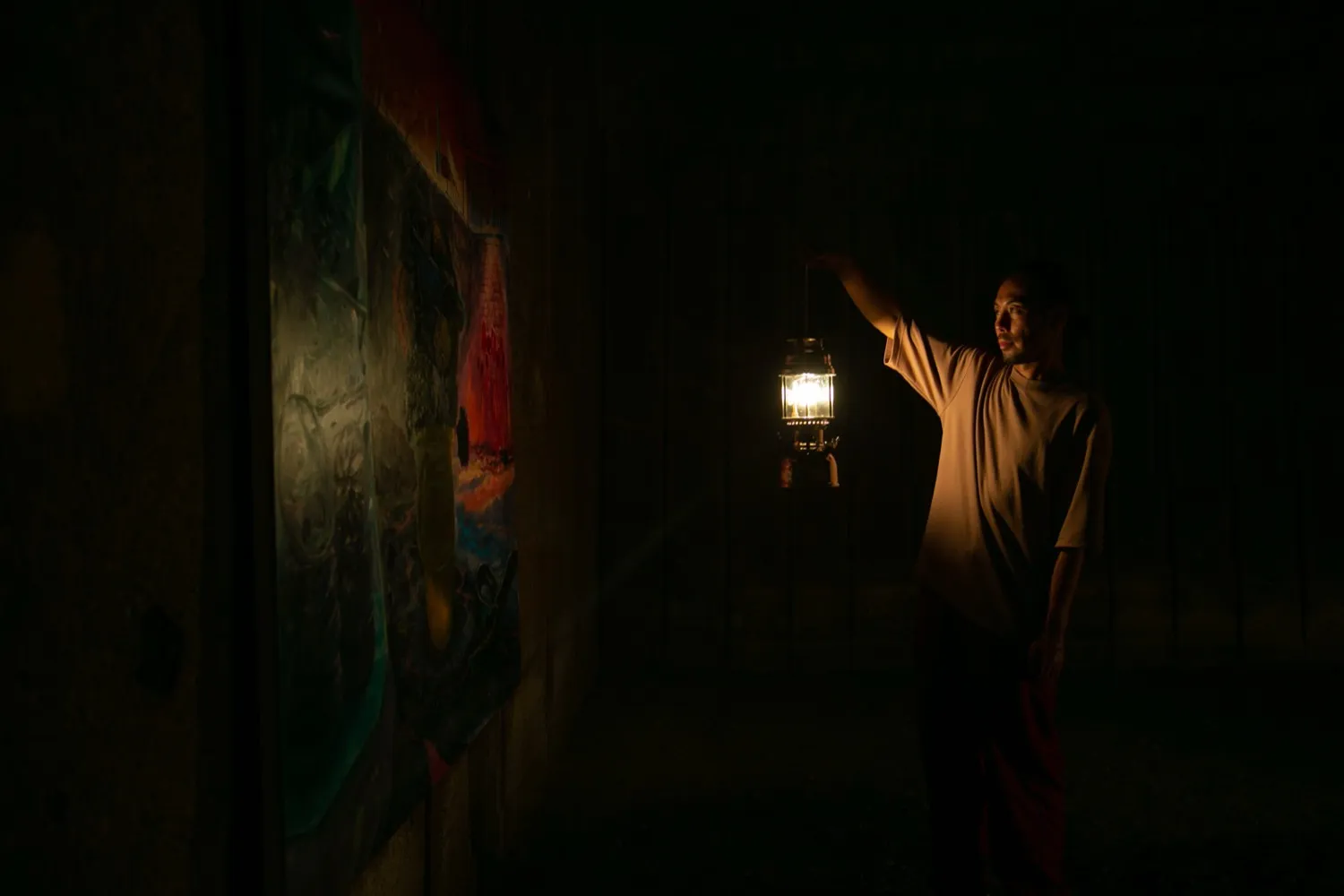
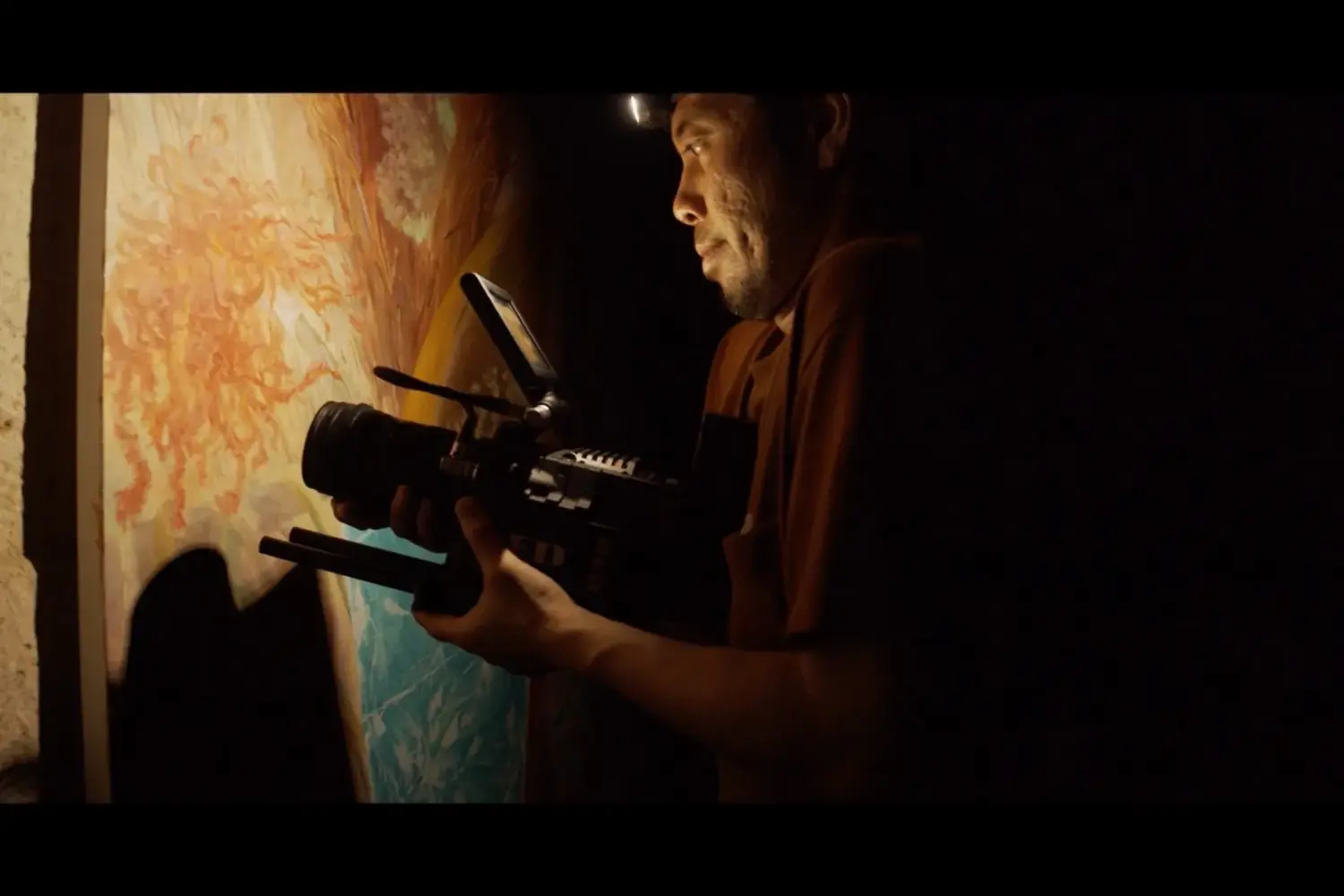
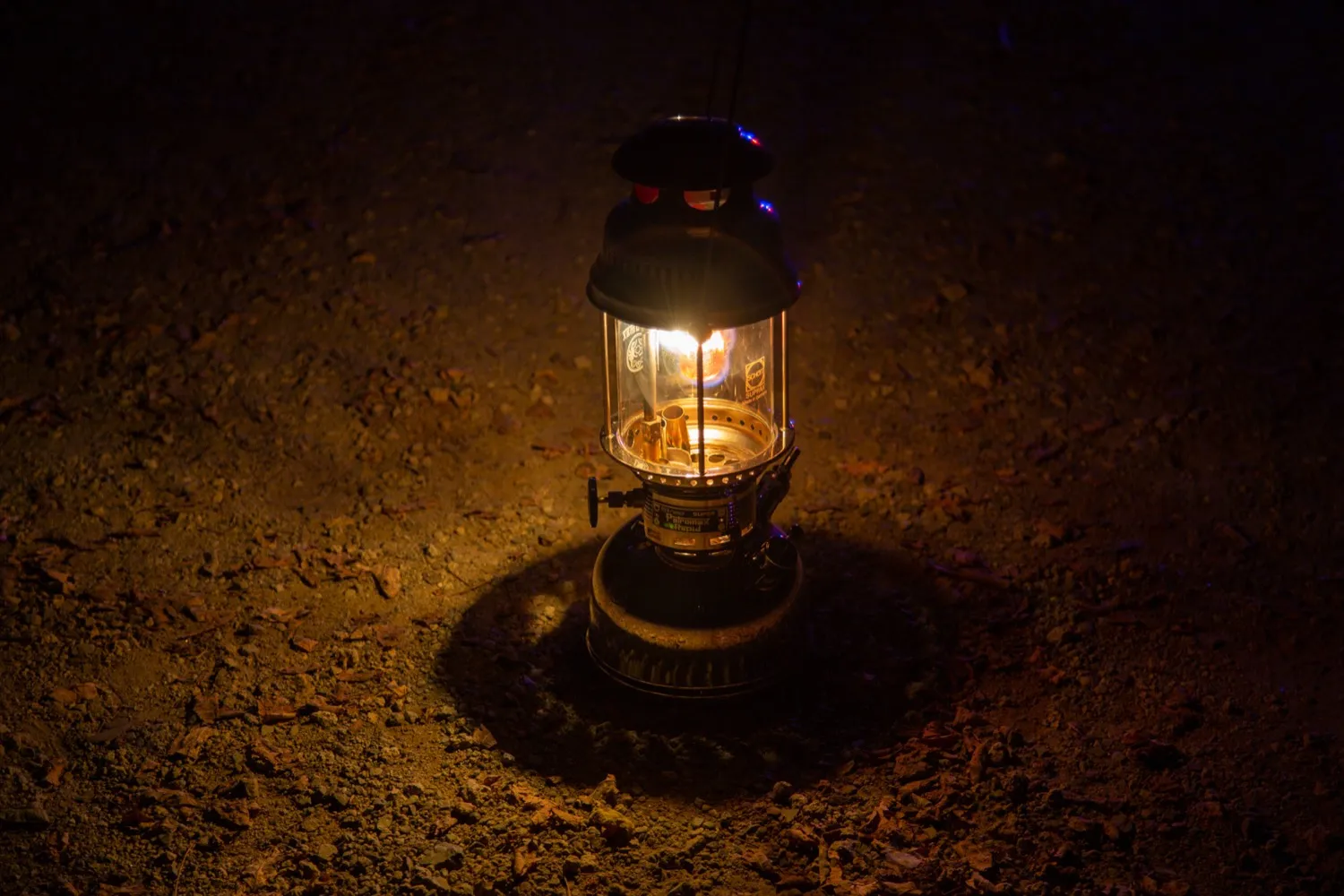
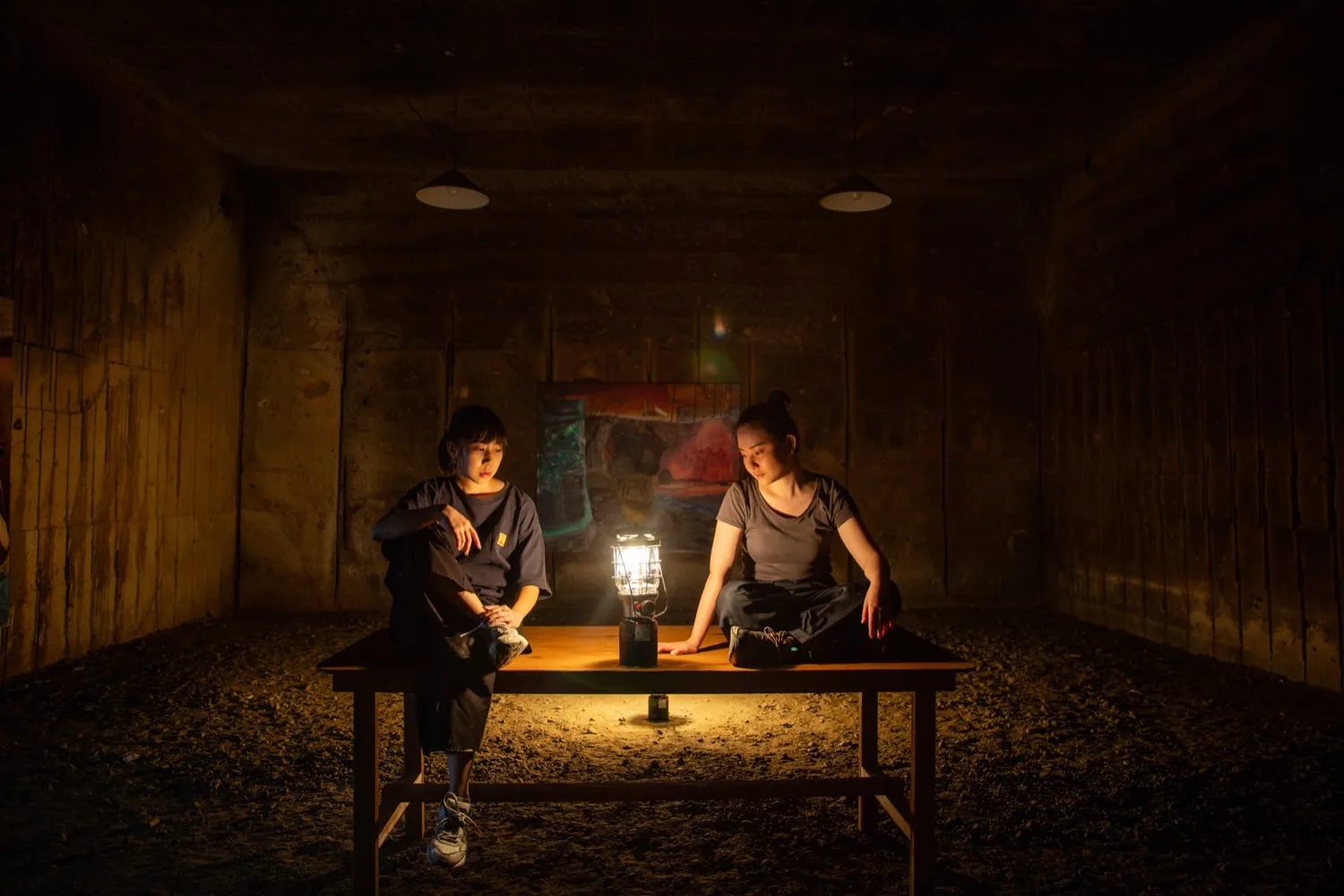
And so the outdoor art exhibition "Alpha Omega," realized under the guise of a filming session, opened — and since no one had been invited, naturally no one came. Only the artists, the staff, and a handful of guests were there. In the darkness, over the roar of the generators, I shot video on a BMPCC4K while Usami shot stills with a Canon SLR. These should give a fair sense of the exhibition space. What the two artists created was superb. Ishii's performance — physical in the most literal sense — shook the soul, and Fukunaga's paintings, lit by lanterns against the cave's stone walls, gave off a bewitching, sublime air unlike anything in his work before. Standing in the venue, the two of them looked, somehow, like priests.
At the same time, it is true that an exhibition prepared with such care and effort, and without an audience, felt somehow hollow and strange. I would be lying if I said I never wished more people could have seen it in person. And yet this was fruit seized at the end of a struggle against reality; doing it in this form, at this moment, was precisely what gave it meaning, and it is certain that the exhibition could only have been born of this era and these circumstances. As its organizer, I take pride in having presented one form of the "new art style."
At the end of August 2020, had there been no pandemic, the Japanese would presumably have gone on living as they always had, drifting back into the everyday while basking in the afterglow of the Olympics, and "Alpha Omega" would have been held, without incident, in some white cube. To have realized an exhibition worthy of mourning that lost timeline — a kind of rite of grief for a past and a future that never arrived — to have seen it with my own eyes, recorded it on video, and released it as an online archive, now feels like an unsurpassable happiness. Though it cost no small amount of money, time, and labor.
Daisuke Akiba, Organizer